The Criterion Collection
Search






May 20, 2009 — Iconoclasts are meant to kill their idols, and so it’s fitting that Shohei Imamura launched into his career as if on a patricidal rampage. Like Nagisa Oshima, the other towering figure of the Japanese New Wave, Imamura (1926–2006) rejected the...
Pale Flower: Loser Take All
Essays
May 17, 2011 — “There was a strong influence of Baudelaire’s Fleurs du mal throughout this film,” director Masahiro Shinoda would later remember of his 1964 squid-ink noir Pale Flower, made in the days when his career as a filmmaker and founding figure of...
The Criterion Channel’s August 2025 Lineup
On the Channel
Jul 17, 2025 — Among this month’s highlights are a spotlight on ’90s soundtracks, a celebration of Hong Kong icon Sammo Hung, and a retrospective of the work of Spanish auteur Bigas Luna.
The Criterion Channel’s October 2020 Lineup
On the Channel
Sep 30, 2020 — Genre fans rejoice! October kicks off with a ’70s Horror series and the head-spinningly eclectic films of the New Korean Cinema.
Aug 24, 2016 — During a 2006 meeting with the author, French New Wave icon Jeanne Moreau reminisced about working with Orson Welles, Louis Malle, and François Truffaut, and her turn to acting as a means of eluding the “destiny of a regular girl.”
Manifesto No. 3: Europa
Features
Dec 2, 2008 — The Danish director explains movie magic and confesses his carnal sins in this impassioned artist statement written to accompany the films that make up his Europe Trilogy
Aug 18, 2003 — One of the Swedish director’s most representative works, this drama’s portentousness, banked intensity, and recondite symbolism come near to embodying the popular stereotype of the Bergmanesque.
Aug 20, 2001 — Before Lars von Trier, Krzysztof Kieslowski, Andrei Tarkovsky, Ingmar Bergman, Robert Bresson there was Carl Th. Dreyer. The first great film artist to pursue the ineffable in cinema, Dreyer gave depth to what early silent filmmakers innately understood yet took...
Oct 28, 2022 — The role of the vampire has given talented actors throughout film history—from Bela Lugosi to Catherine Deneuve—the chance to embody physical and moral extremity.
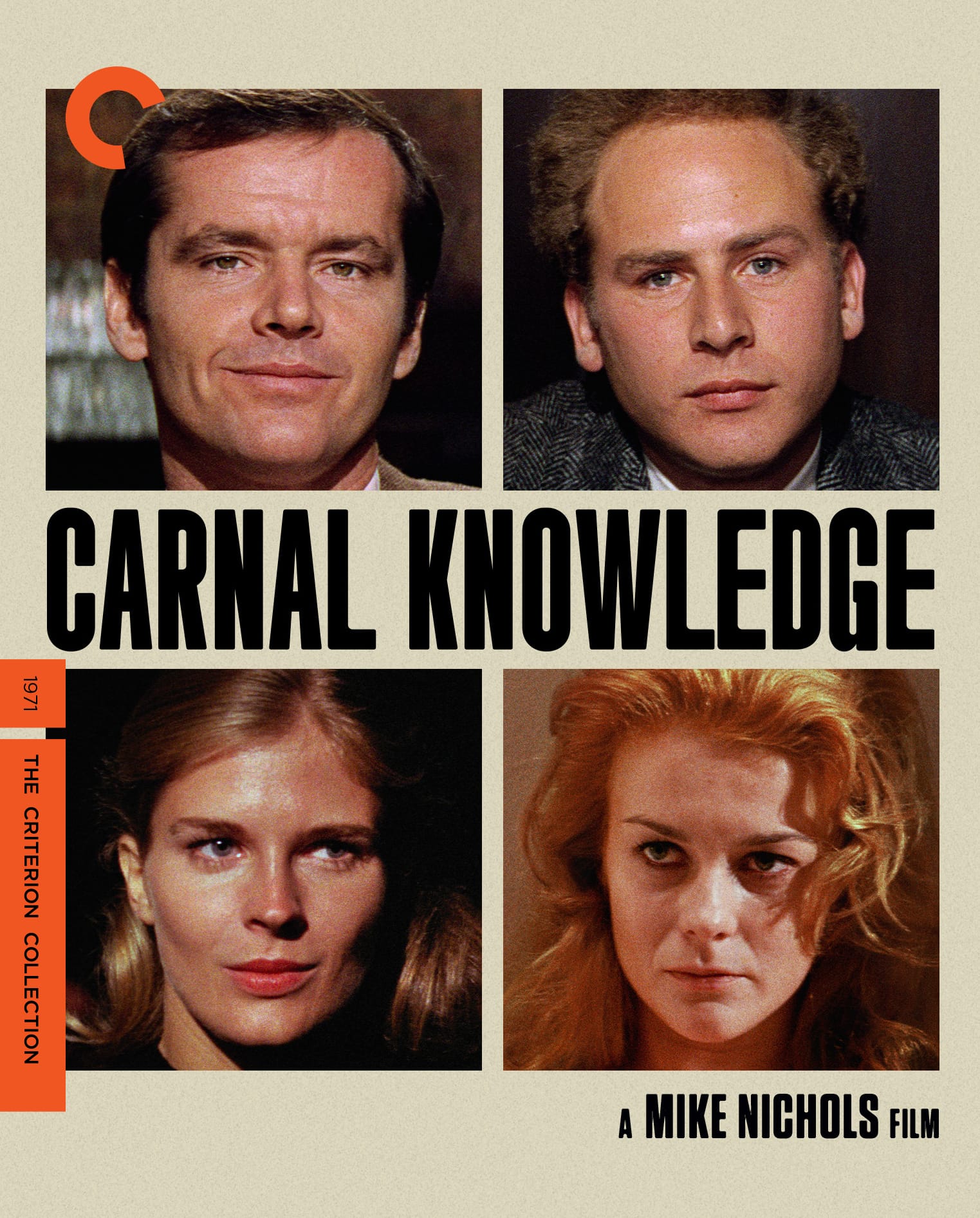
Jul 22, 2025 — An era-defining reckoning with the sexual revolution, Mike Nichols’s controversial drama develops a rigorous form for analyzing what we have recently come to call “toxic masculinity.”