The Sudanese Film Group’s Legacy of Political Resistance and Creative Liberation
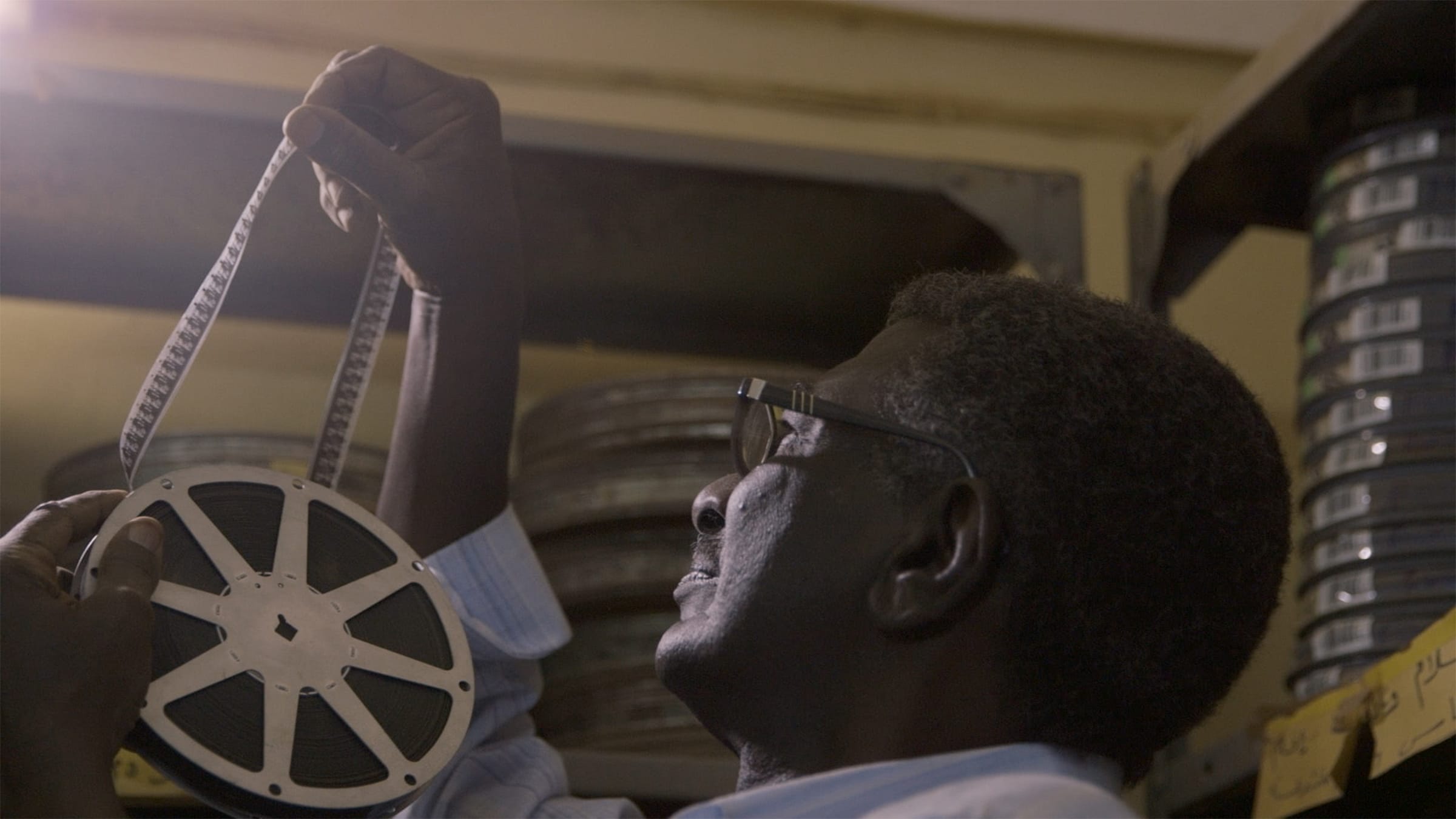
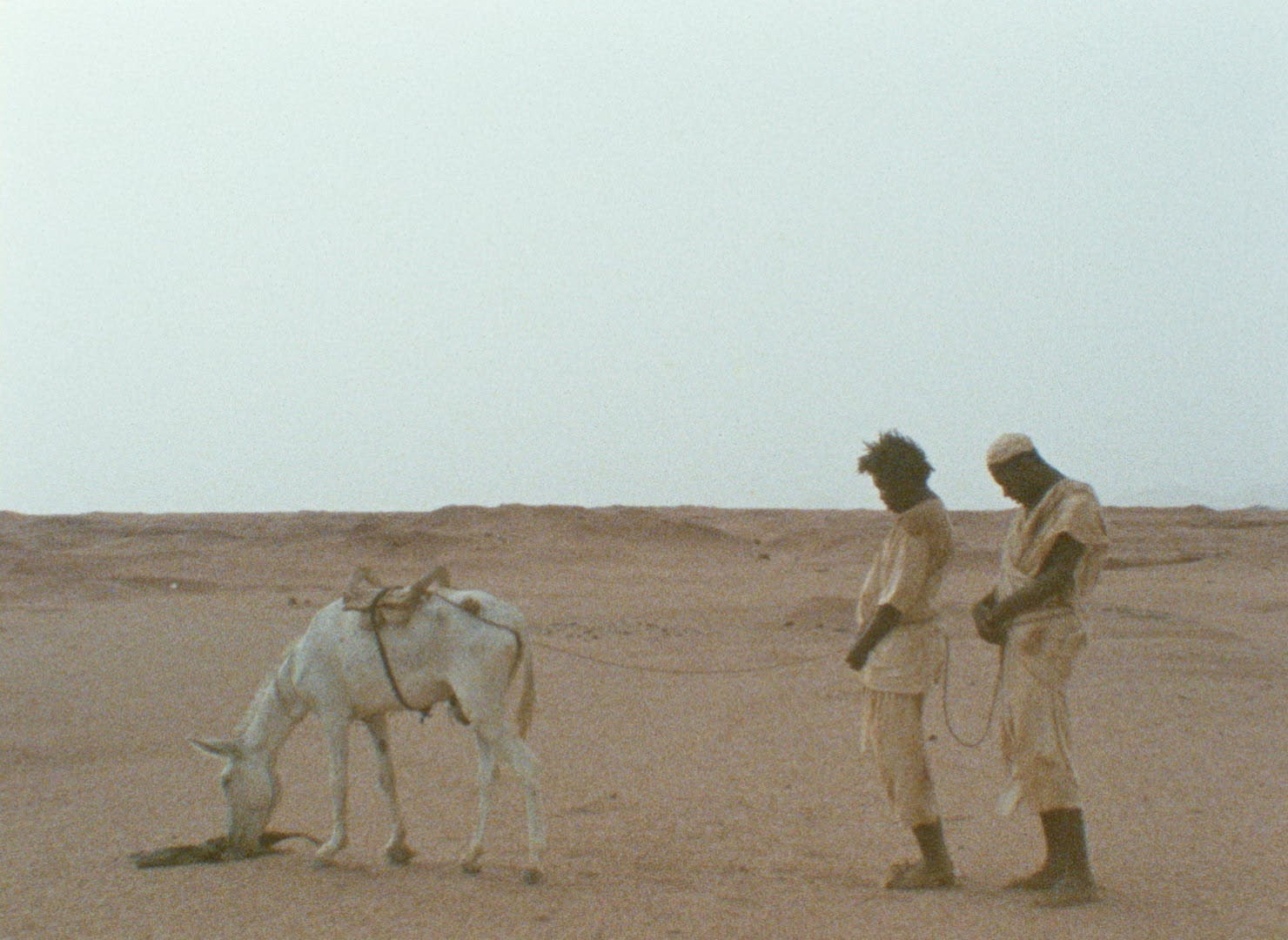
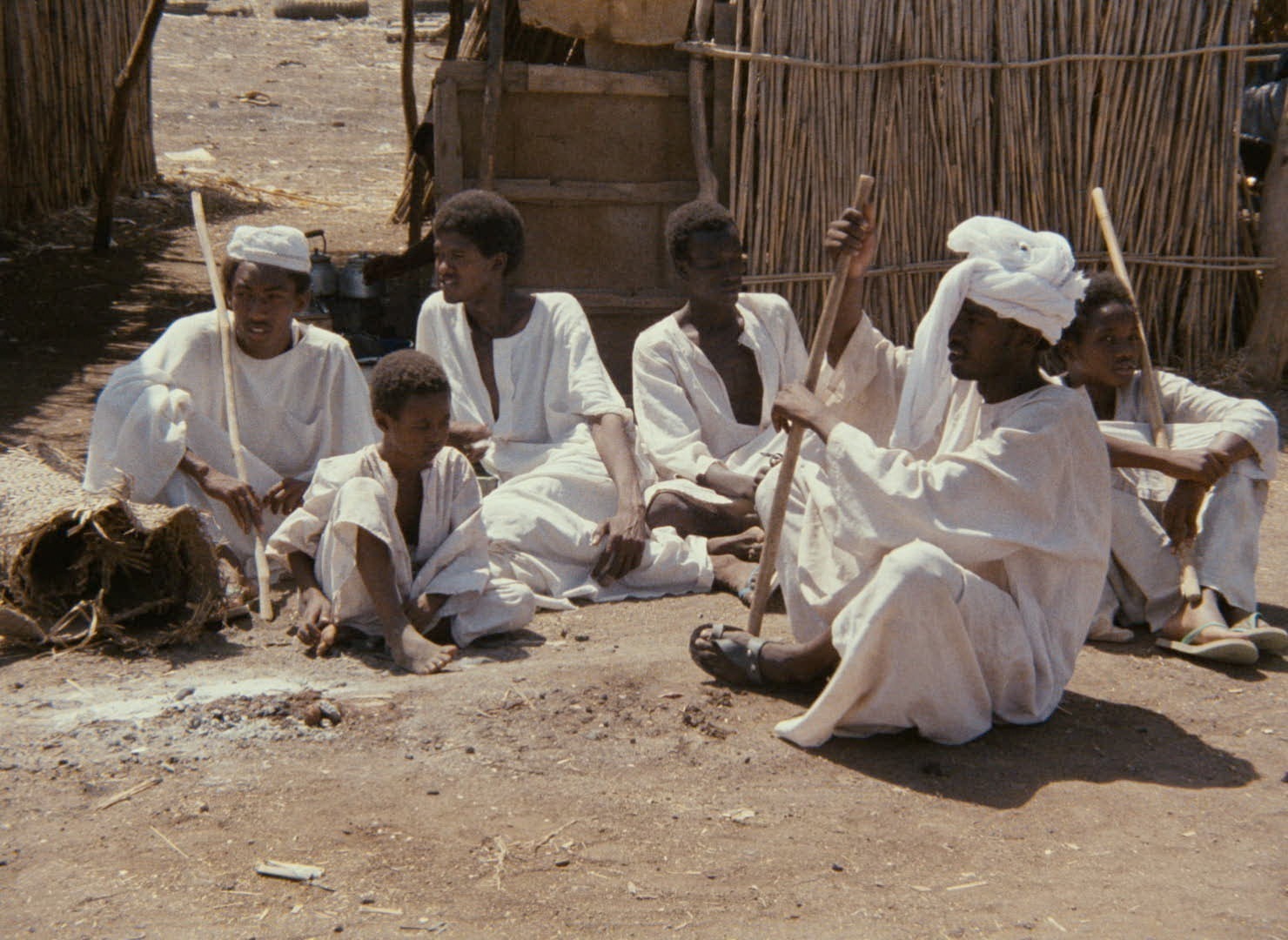
Sudan is full of film lovers. In the past, the country was famous for its open-air cinemas, where celluloid images played after sundown amid the hot desert climate. Before the advent of television, these venues were the primary source of entertainment for families; later, they became a refuge for young people seeking excitement and ways to get out of the house. Post–British colonization, starting in the 1950s, local audiences thrived on a steady diet of Egyptian melodramas, Bollywood musicals, and Bruce Lee action movies, and in metropolitan areas, smaller art films flourished in community spaces. However, starting in the ’70s, the number of movie theaters began to dwindle on account of disinvestment. And due to a lack of infrastructure, local film production has never been able to fully thrive, despite the emergence of a few pioneering filmmakers, like Gadalla Gubara in the 1970s.



More: Features
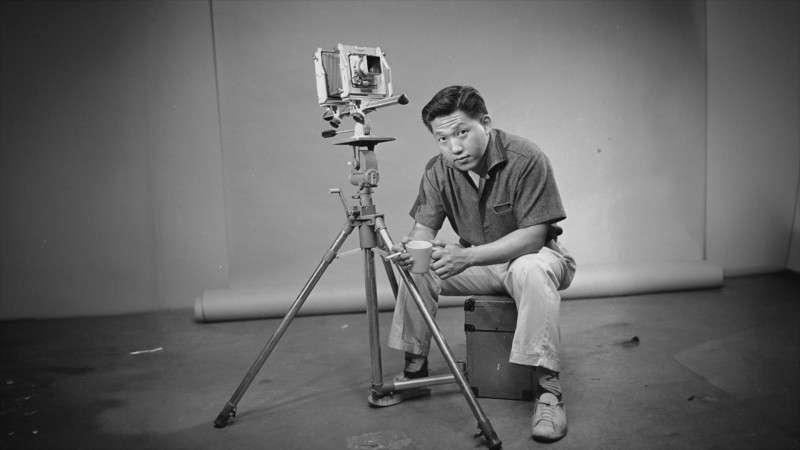
The Banner Is Raised: Robert A. Nakamura’s Groundbreaking Activist Cinema
The pioneering filmmaker paved the way for generations of Asian American artists with his depictions of historical traumas, including the incarceration of Japanese Americans during World War II.
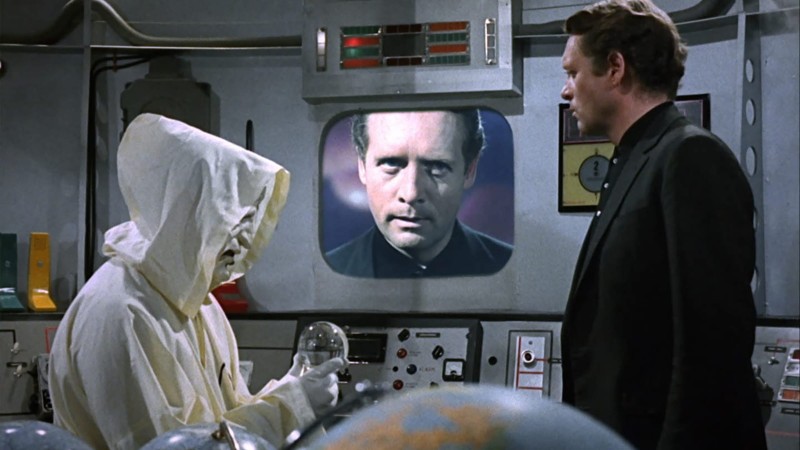
Once Upon a Time: Patrick McGoohan’s The Prisoner
One of the most passionately analyzed shows in television history is a mind-bending investigation of free will and modern surveillance culture, told with an audacious blend of symbolism, philosophy, and avant-garde surrealism.

Terror on the Airwaves
In the 1970s, up-and-coming mavericks like Steven Spielberg and John Carpenter honed their craft by bringing a taste of the grindhouse to the small screen.
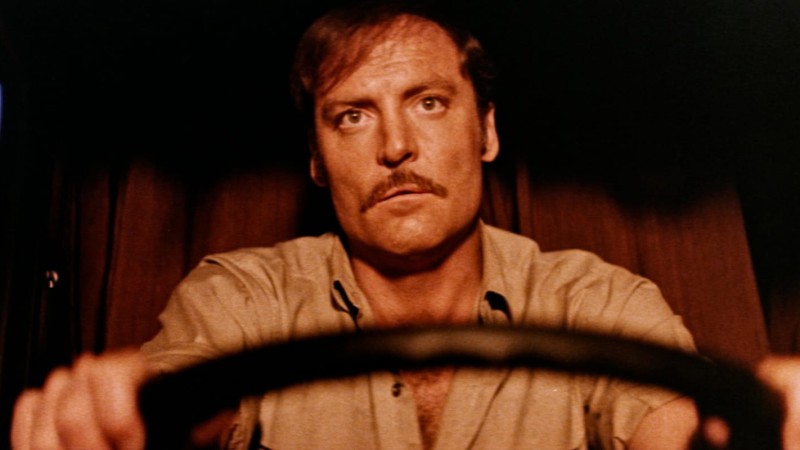
Death Is a Highway
Classics of highway horror, like Road Games, The Appointment, and Race with the Devil, present the open road as a dangerous landscape and automobiles as single-minded killing machines.