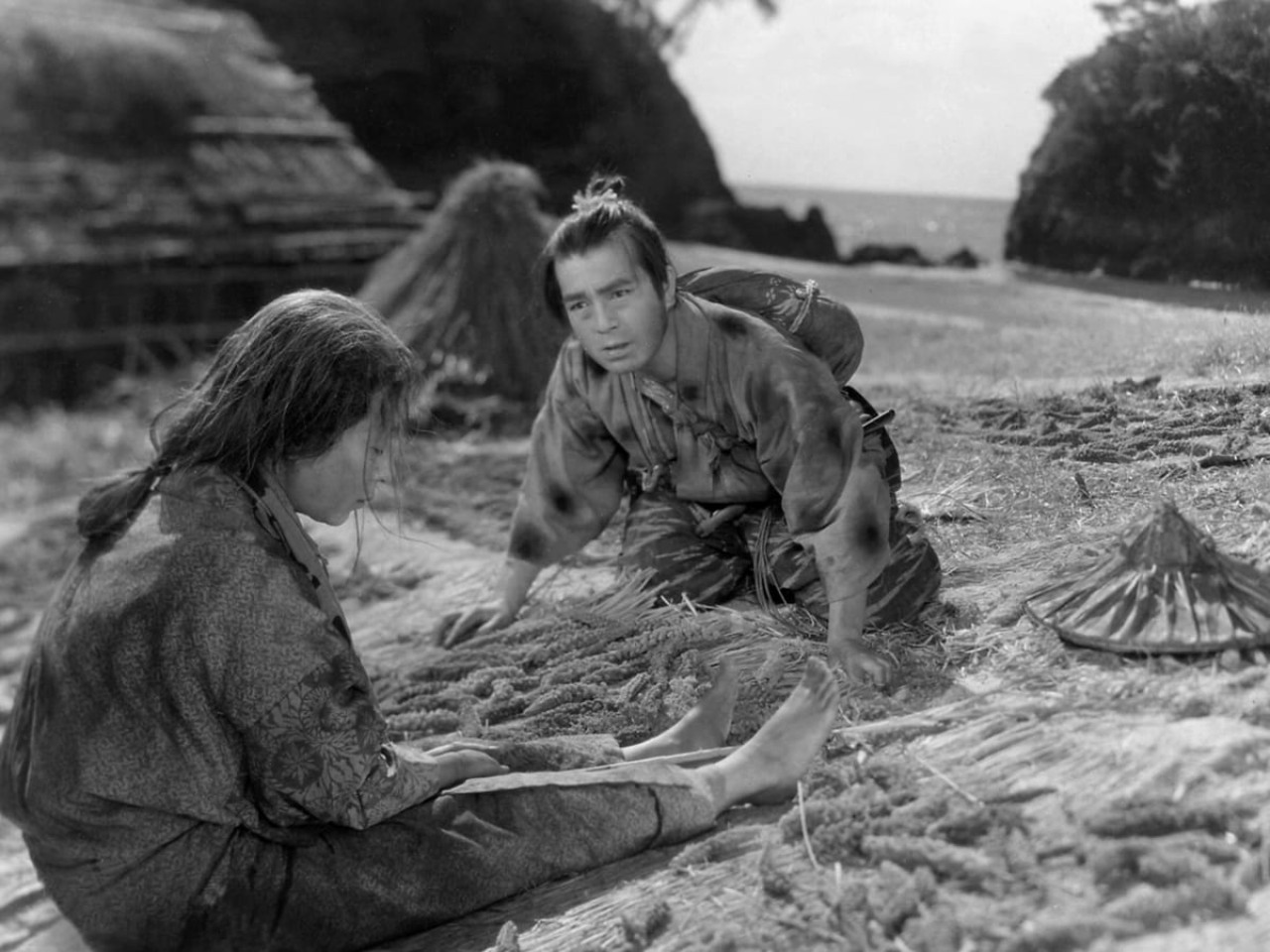
Sansho the Bailiff

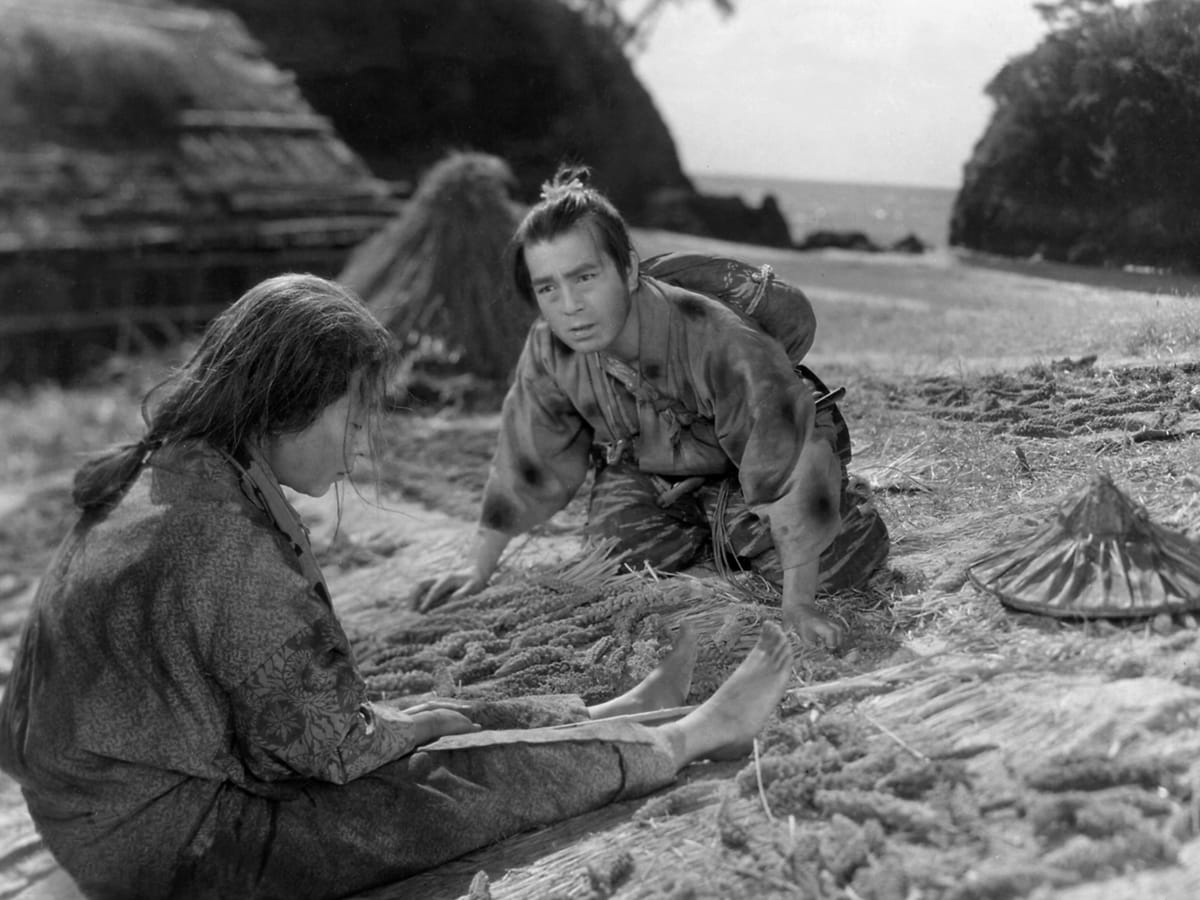
When an idealistic governor disobeys the reigning feudal lord, he is cast into exile, his wife and children left to fend for themselves and eventually wrenched apart by vicious slave traders. Under Kenji Mizoguchi’s dazzling direction, this classic Japanese story became one of cinema’s greatest masterpieces, a monumental, empathetic expression of human resilience in the face of evil.
BLU-RAY SPECIAL EDITION FEATURES
- New high-definition digital restoration, with uncompressed monaural soundtrack
- Audio commentary featuring Japanese-literature scholar Jeffrey Angles
- Interviews with critic Tadao Sato, assistant director Tokuzo Tanaka, and actress Kyoko Kagawa on the making of the film and its lasting importance
- PLUS: An essay by scholar Mark Le Fanu and two versions of the story on which the film is based: Ogai Mori’s 1915 “Sansho the Steward” and an earlier oral variation in written form
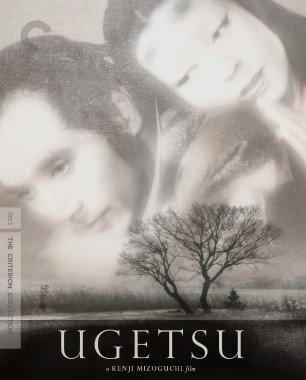
New cover by Michael Boland
BLU-RAY SPECIAL EDITION FEATURES
- New high-definition digital restoration, with uncompressed monaural soundtrack
- Audio commentary featuring Japanese-literature scholar Jeffrey Angles
- Interviews with critic Tadao Sato, assistant director Tokuzo Tanaka, and actress Kyoko Kagawa on the making of the film and its lasting importance
- PLUS: An essay by scholar Mark Le Fanu and two versions of the story on which the film is based: Ogai Mori’s 1915 “Sansho the Steward” and an earlier oral variation in written form
New cover by Michael Boland
Cast
- Kinuyo Tanaka
- Tamaki/Nakagimi
- Yoshiaki Hanayagi
- Zushiô/Mutsu-Waka
- Kyoko Kagawa
- Anju/Shinobu
- Masao Shimizu
- Taira Masauji
- Eitarô Shindô
- Sanshô Dayû
- Atikake Kono
- Taro
- Rosuke Kagawa
- Donmo
- Ken Mitsuda
- Fujiwara
- Shozo Nanbu
- Taira Masasue
- Chieko Naniwa
- Ubatake
- Bontaro Miake
- Kichiji
- Saburo Date
- Kinpei
- Akira Shimizu
- Slave trader
- Ichiro Sugai
- Nio
- Kimiko Tachibana
- Namji
- Yoko Kozono
- Kohagi
- Kanji Koshiba
- Naito Kaikudo
- Kikue Mori
- Shinto priestess
- Yukio Horikita
- Jiro of Sado
- Hachiro Okuni
- Saburo Miyazaki
- Teruko Omi
- New ”Nakagimi”
- Naoki Fujima
- Zushio as a child
- Masahiko Kato
- Zushio as a boy
- Keiko Enami
- Anju as a child
Credits
- Director
- Kenji Mizoguchi
- Producer
- Masaichi Nagata
- Planning
- Hisaichi Tsuji
- Screenplay
- Fuji Yahiro
- Screenplay
- Yoshikata Yoda
- From the story ”Sansho dayu” by
- Ôgai Mori
- Director of photography
- Kazuo Miyagawa
- Assistant photographer
- Shozo Tanaka
- Lighting
- Kenichi Okamoto
- Assistant director
- Tokuzo Tanaka
- Editor
- Mitsuzo Miyata
- Art directors
- Kisaku Ito
- Art directors
- Kozaburo Nakajima
- Assistant art director
- Akira Naito
- Set decorator
- Yuichiro Yamamoto
- Paintings
- Tazaburo Ota
- Costumes
- Yoshio Ueno
- Costumes
- Yoshimi Shima
- Makeup
- Masanori Kobayashi
- Music
- Fumio Hayasaka
- Sound
- Iwao Otani



1/5
2/5

3/5

4/5

5/5