PlayTime
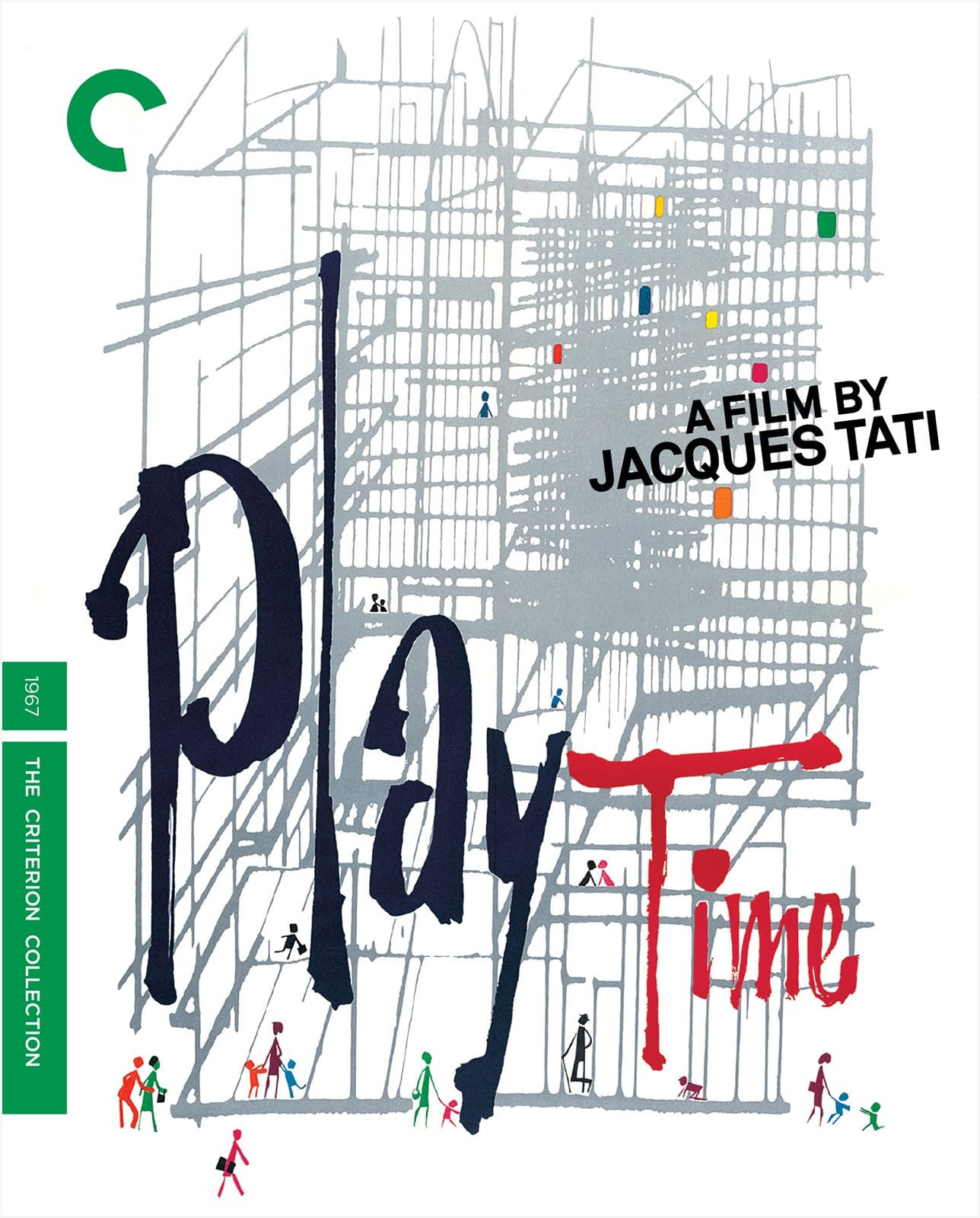
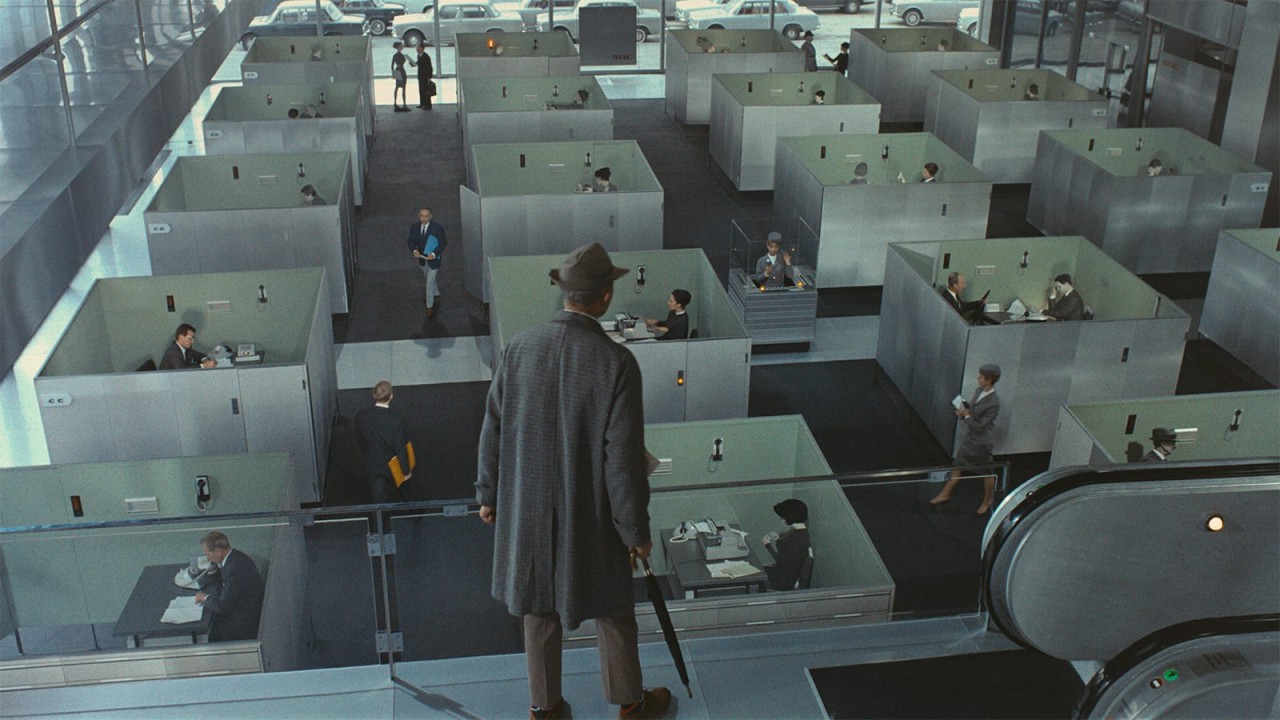
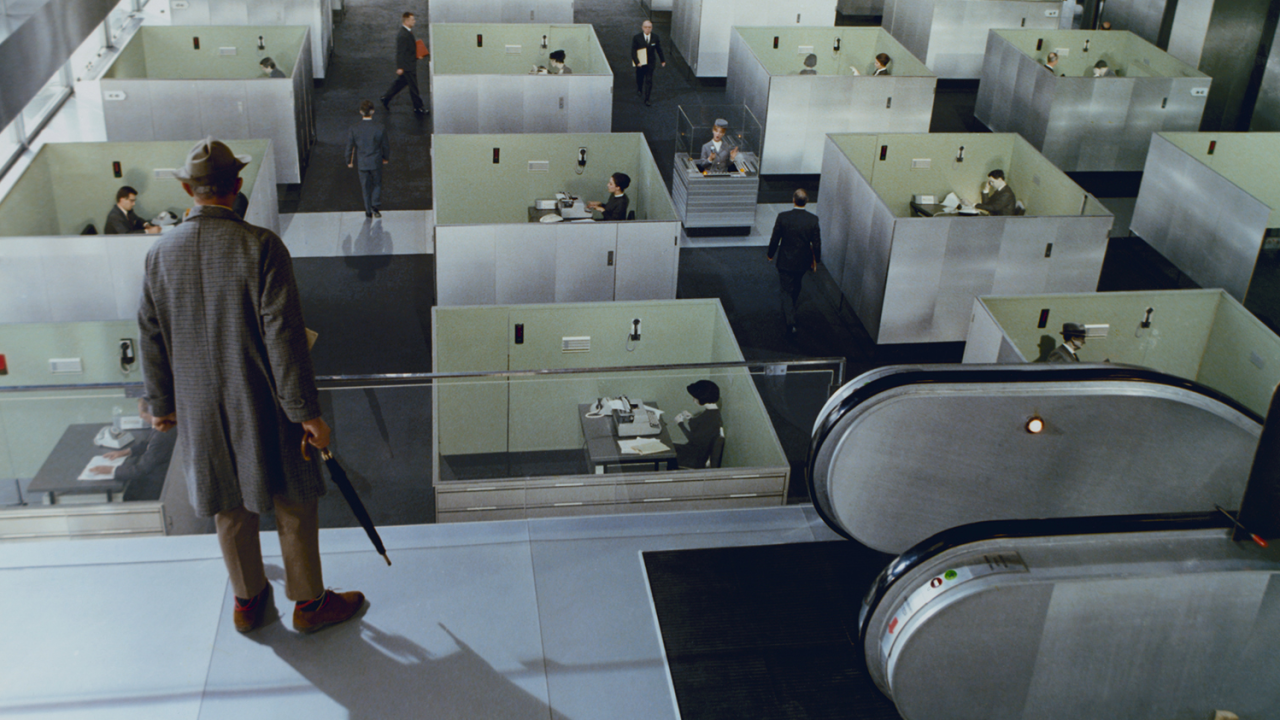
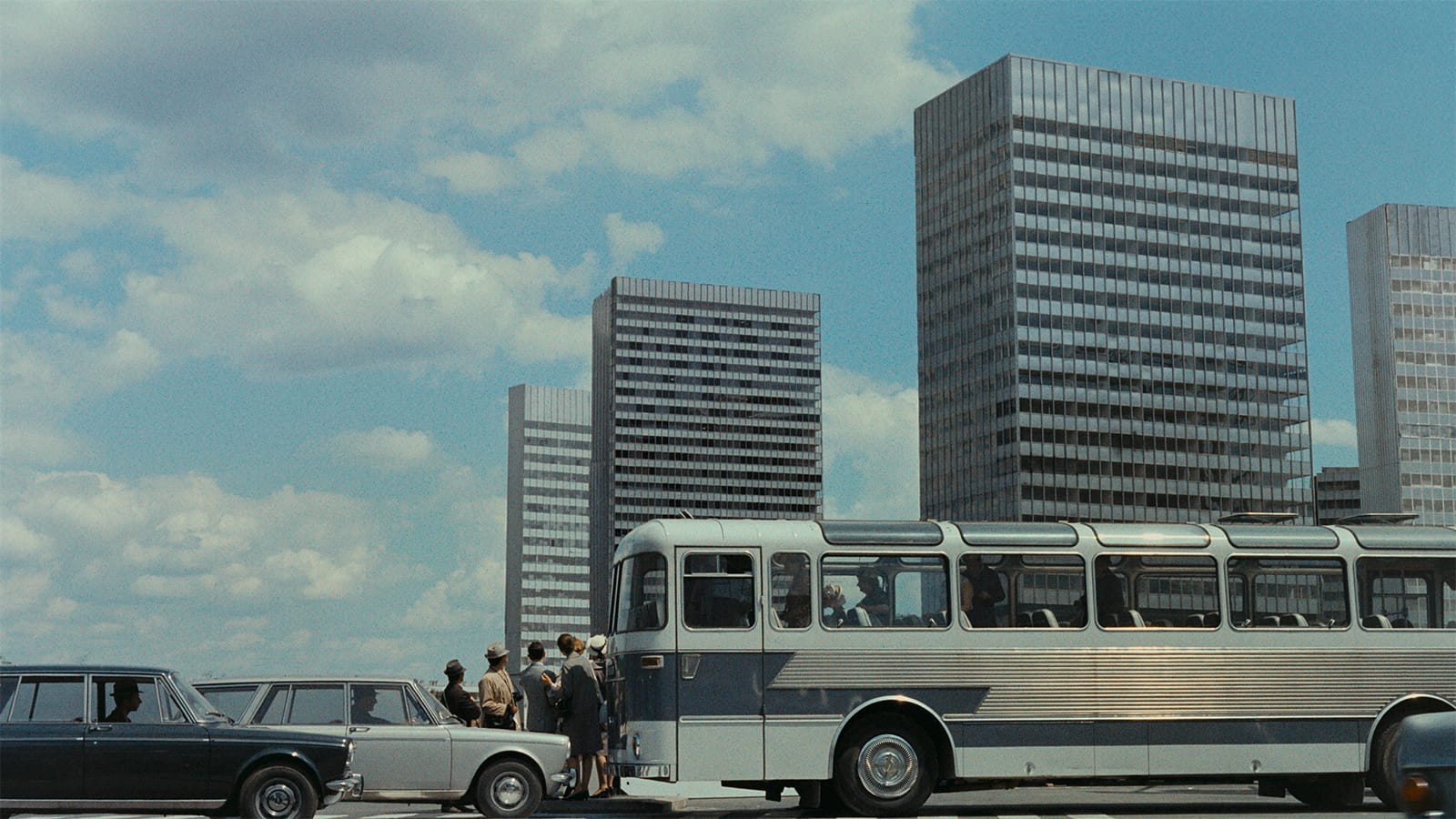
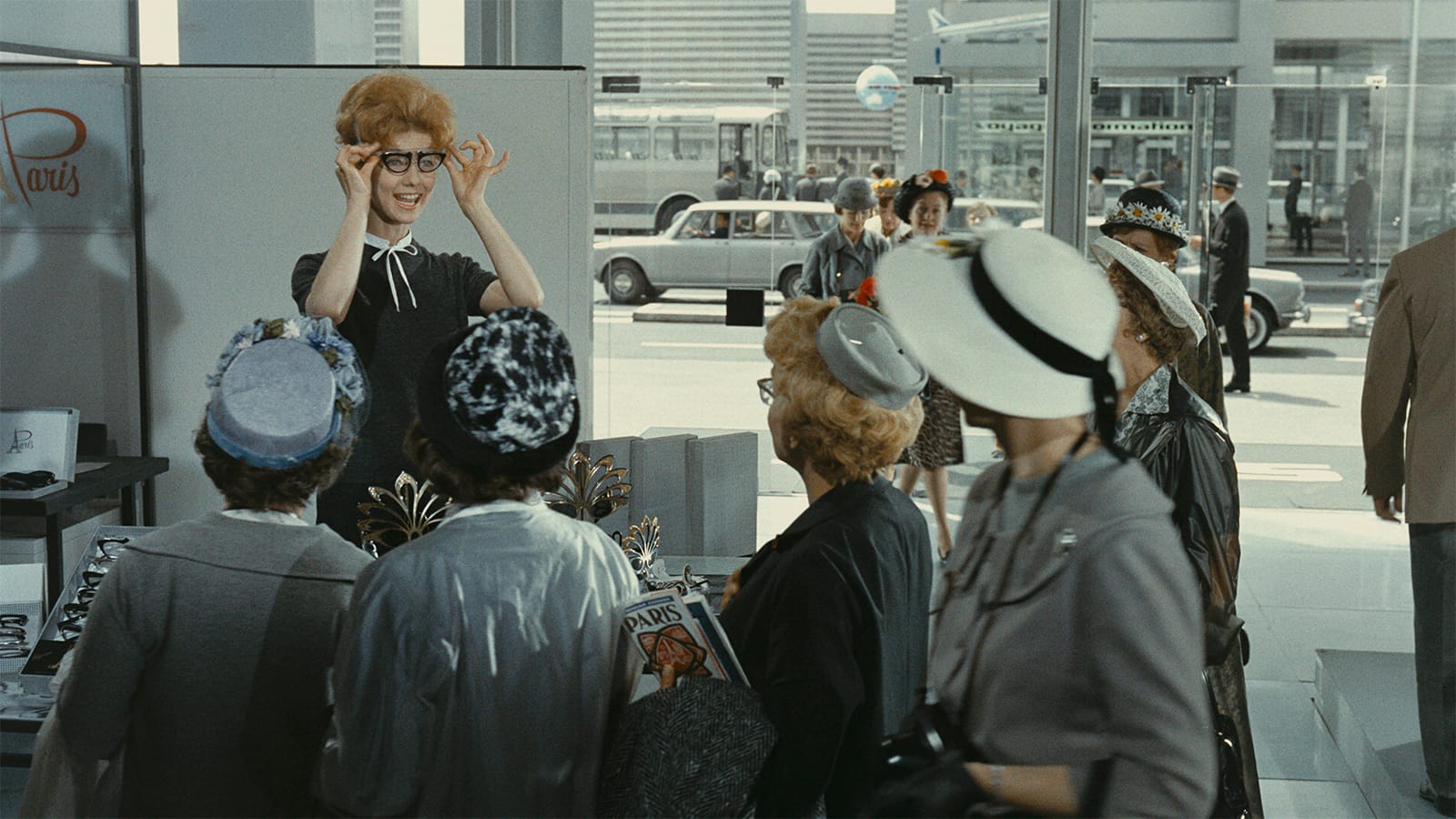
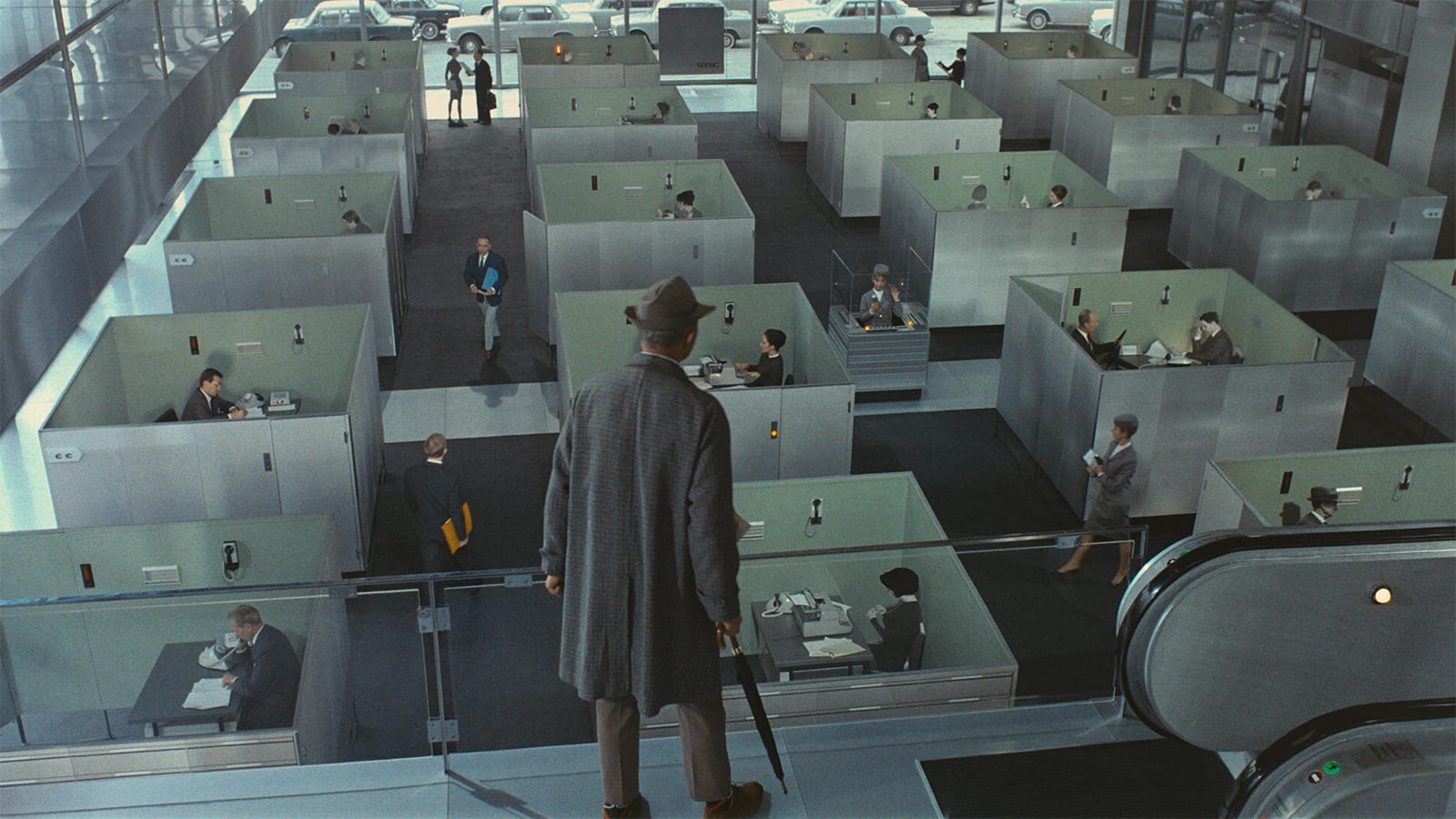
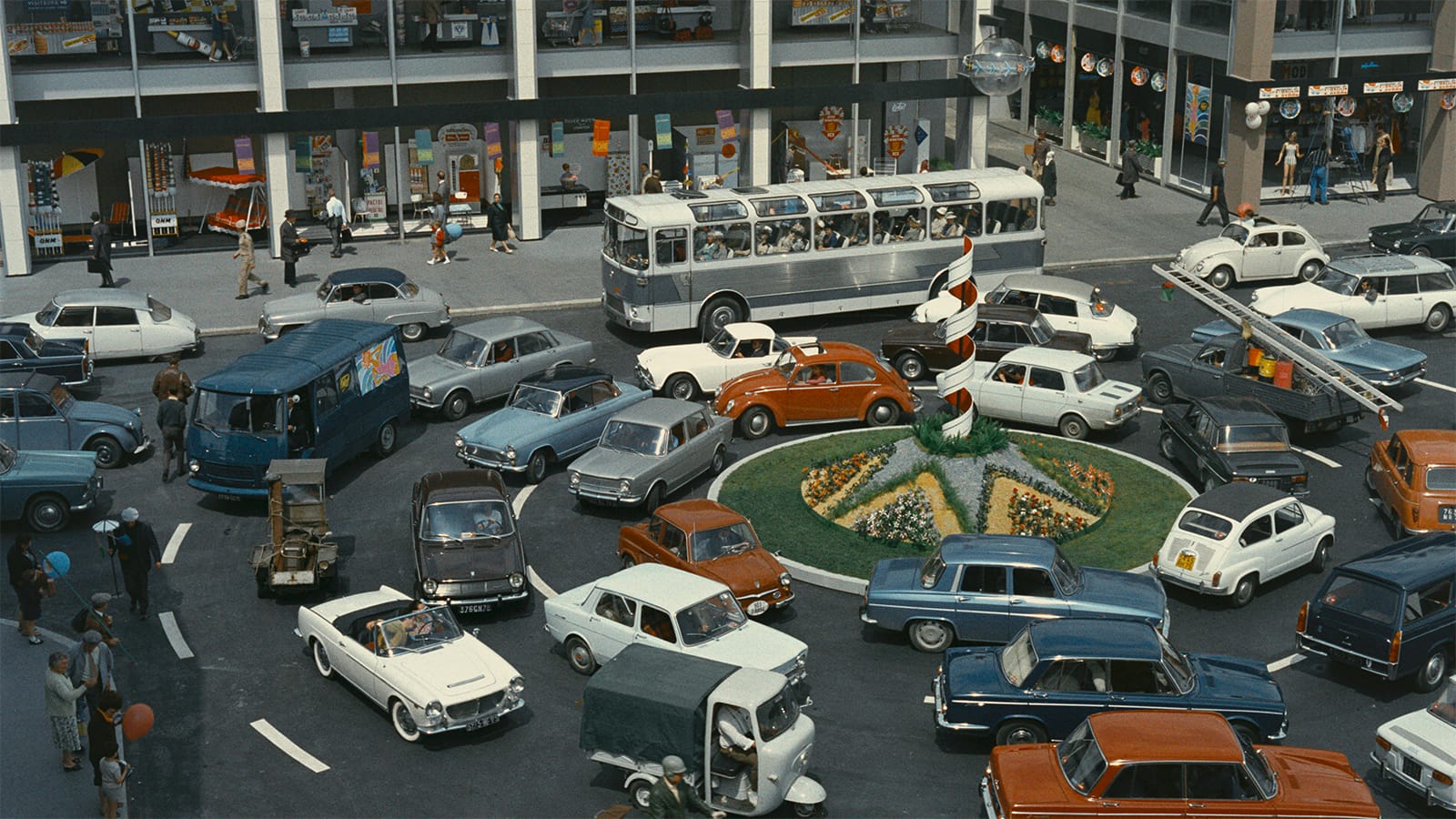
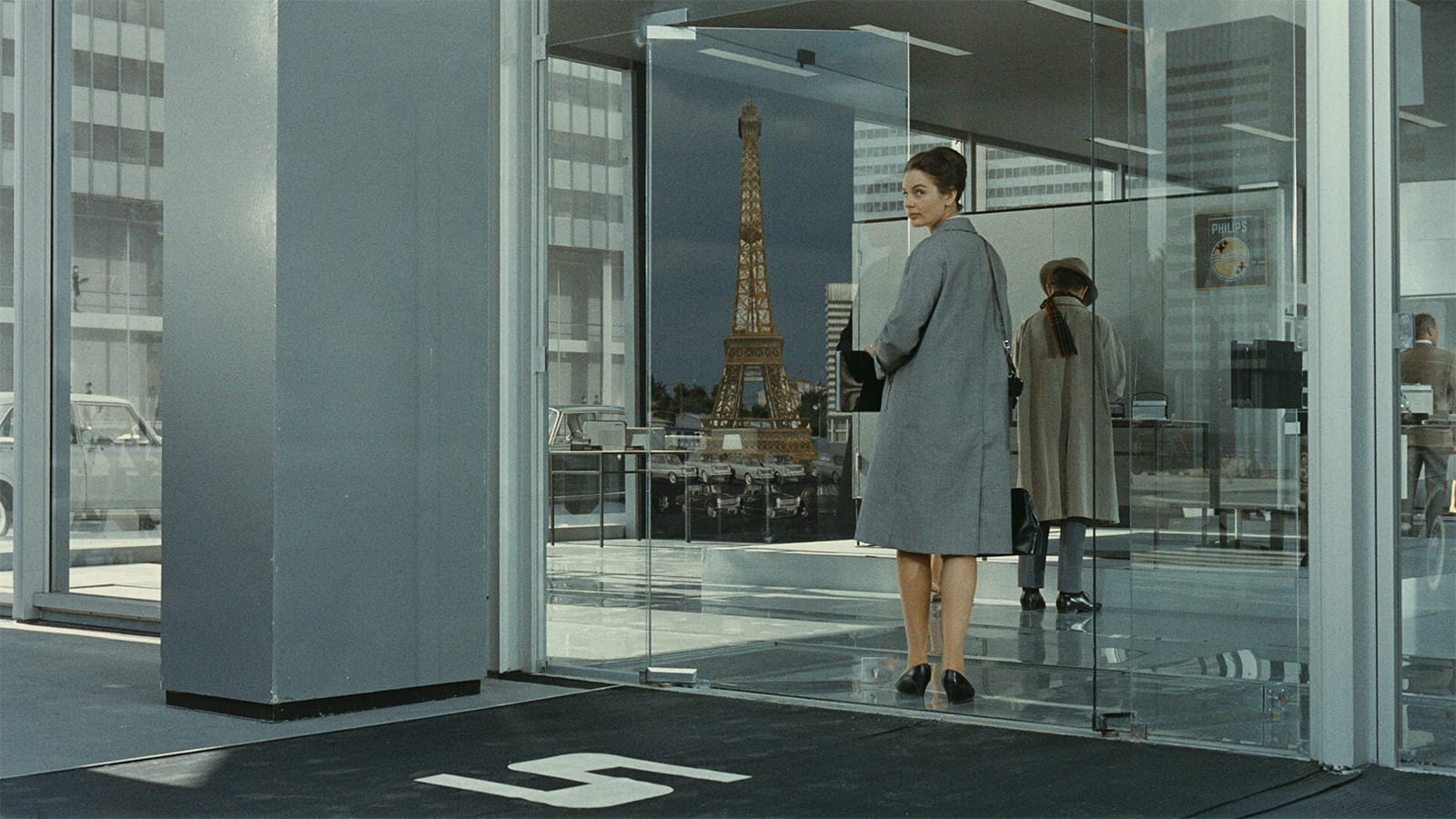
Jacques Tati’s gloriously choreographed, nearly wordless comedies about confusion in an age of high technology reached their apotheosis with PlayTime. For this monumental achievement, a nearly three-year-long, bank-breaking production, Tati again thrust the lovably old-fashioned Monsieur Hulot, along with a host of other lost souls, into a baffling modern world, this time Paris. With every inch of its superwide frame crammed with hilarity and inventiveness, PlayTime is a lasting record of a modern era tiptoeing on the edge of oblivion.
4K UHD SPECIAL EDITION FEATURES
- 4K digital restoration, with 3.0 surround DTS-HD Master Audio soundtrack
- One 4K UHD disc of the film and one Blu-ray with the special features
- Introduction by actor and comedian Terry Jones
- Three selected-scene commentaries, by film historian Philip Kemp, theater director Jérôme Deschamps, and Jacques Tati expert Stéphane Goudet
- Like Home, a visual essay by Goudet
- “Tativille,” a 1967 television program featuring an interview with Tati from the set of PlayTime
- Beyond “PlayTime,” a short documentary featuring behind-the-scenes footage from the production
- Interview with script supervisor Sylvette Baudrot
- Audio interview with Tati from the U.S. debut of PlayTime at the 1972 San Francisco International Film Festival
- Tati Story, a short film by Goudet on the life and career of Tati
- “Monsieur Hulot’s Work,” a 1976 television program about Tati’s beloved character
- Cours du soir (1967), a short film written by and starring Tati
- Alternate English-language soundtrack
- PLUS: An essay by critic Jonathan Rosenbaum
Cover based on an original poster by René Ferracci
Collector's Sets
Collector's Set

Collector's Set
4K UHD SPECIAL EDITION FEATURES
- 4K digital restoration, with 3.0 surround DTS-HD Master Audio soundtrack
- One 4K UHD disc of the film and one Blu-ray with the special features
- Introduction by actor and comedian Terry Jones
- Three selected-scene commentaries, by film historian Philip Kemp, theater director Jérôme Deschamps, and Jacques Tati expert Stéphane Goudet
- Like Home, a visual essay by Goudet
- “Tativille,” a 1967 television program featuring an interview with Tati from the set of PlayTime
- Beyond “PlayTime,” a short documentary featuring behind-the-scenes footage from the production
- Interview with script supervisor Sylvette Baudrot
- Audio interview with Tati from the U.S. debut of PlayTime at the 1972 San Francisco International Film Festival
- Tati Story, a short film by Goudet on the life and career of Tati
- “Monsieur Hulot’s Work,” a 1976 television program about Tati’s beloved character
- Cours du soir (1967), a short film written by and starring Tati
- Alternate English-language soundtrack
- PLUS: An essay by critic Jonathan Rosenbaum
Cover based on an original poster by René Ferracci
Cast
- Jacques Tati
- Monsieur Hulot
- Barbara Dennek
- Young tourist
- Georges Montant
- Monsieur Giffard
- France Rumilly
- Woman selling eyeglasses
- Reinhart Kolldehoff
- German businessman
- André Fouché
- Restaurant manager
- Billy Kearns
- Mr. Schultz
- Yves Barsacq
- Hulot’s friend
- Nicole Ray
- Singer
Credits
- Director
- Jacques Tati
- Cinematography
- Jean Badal
- Cinematography
- Andréas Winding
- Screenplay
- Jacques Tati
- Screenplay
- Jacques Lagrange
- English dialogue
- Art Buchwald
- Music
- James Campbell
- Music
- Francis Lemarque
- Editor
- Gérard Pollicand
- Production design
- Eugène Roman
- Sound
- Jacques Maumont
- Produced by
- Specta Films


1/7
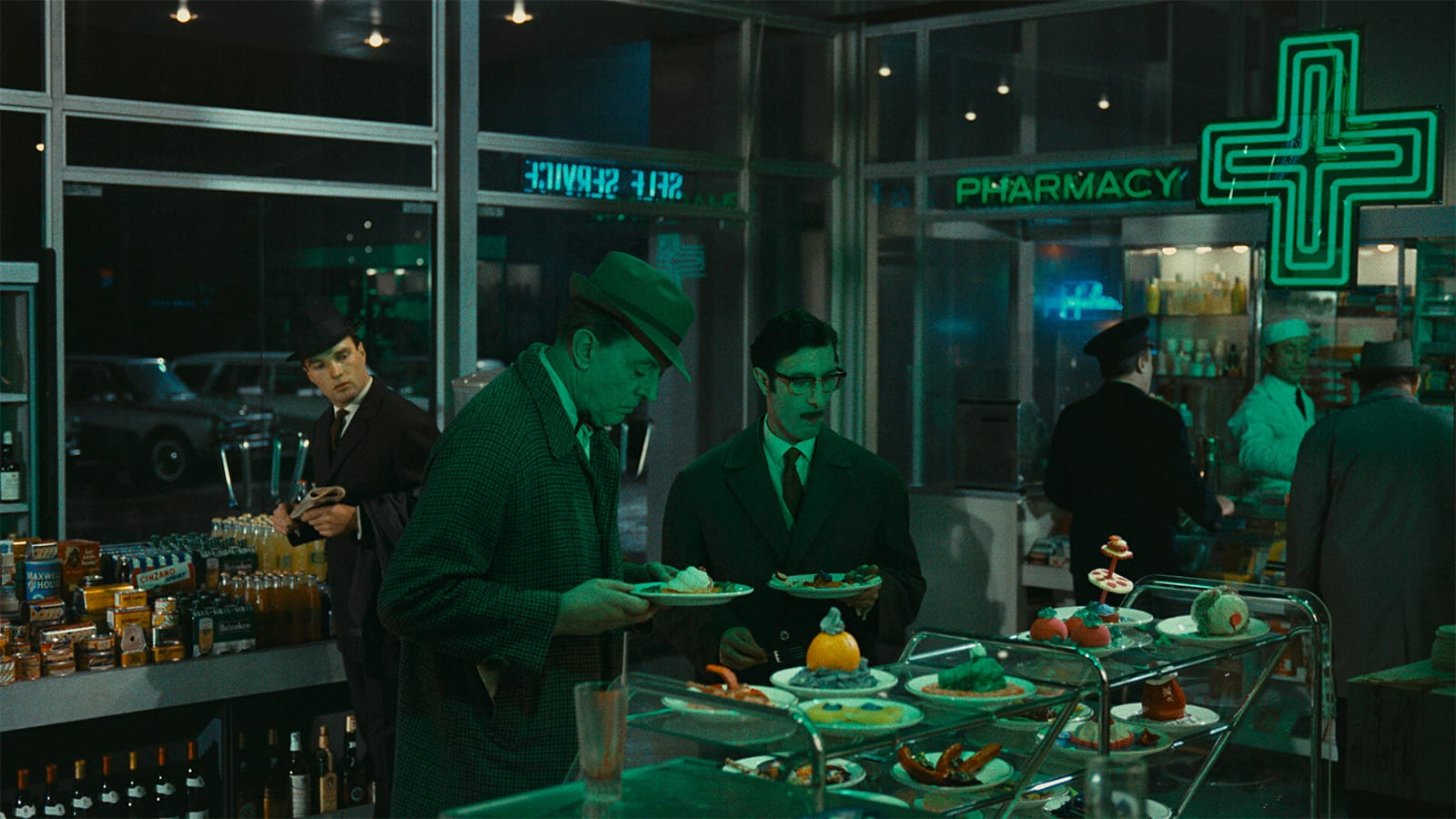
A scene from PlayTime
2/7
3/7
4/7
5/7
6/7
7/7