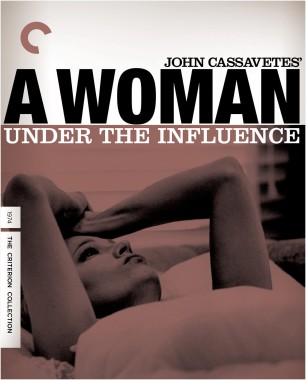
A Woman Under the Influence
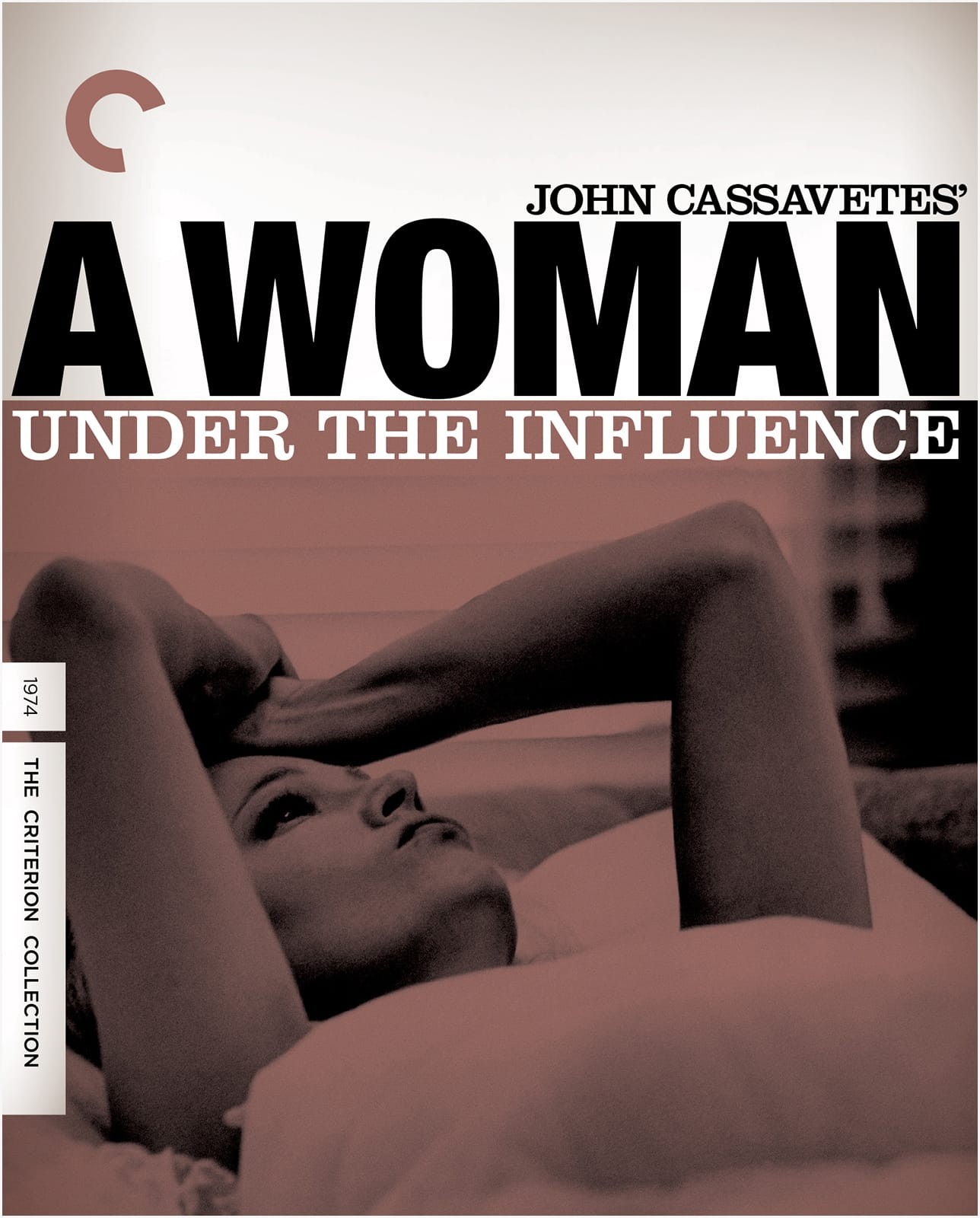
This uncompromising portrait of domestic turmoil details the emotional breakdown of a suburban housewife and her family’s struggle to save her from herself. Gena Rowlands and Peter Falk give unforgettably harrowing performances as a married couple deeply in love but unable to express their ardor in terms the other can understand. This landmark American film is perhaps the most beloved work from the extraordinary John Cassavetes.
BLU-RAY SPECIAL EDITION FEATURES
- High-definition digital restoration, with uncompressed monaural soundtrack
- Audio commentary by sound recordist and composer Bo Harwood and camera operator Michael Ferris
- Conversation between actors Gena Rowlands and Peter Falk
- Archival audio interview with director John Cassavetes by film historians Michel Ciment and Michael Wilson
- Trailer
- Stills gallery featuring behind-the-scenes production photos
- English subtitles for the deaf and hard of hearing
- PLUS: An essay by critic Kent Jones and an interview with Cassavetes from 1975
Cover by Lucien S. Y. Yang
Collector's Sets
Collector's Set

Collector's Set

BLU-RAY SPECIAL EDITION FEATURES
- High-definition digital restoration, with uncompressed monaural soundtrack
- Audio commentary by sound recordist and composer Bo Harwood and camera operator Michael Ferris
- Conversation between actors Gena Rowlands and Peter Falk
- Archival audio interview with director John Cassavetes by film historians Michel Ciment and Michael Wilson
- Trailer
- Stills gallery featuring behind-the-scenes production photos
- English subtitles for the deaf and hard of hearing
- PLUS: An essay by critic Kent Jones and an interview with Cassavetes from 1975
Cover by Lucien S. Y. Yang
Cast
- Peter Falk
- Nick Longhetti
- Gena Rowlands
- Mabel Longhetti
- Fred Draper
- George Mortensen
- Lady Rowlands
- Martha Mortensen
- Katherine Cassavetes
- Mama Longhetti
- Matthew Laborteaux
- Angelo Longhetti
- Matthew Cassel
- Tony Longhetti
- Christina Grisanti
- Maria Longhetti
- O. G. Dunn
- Garson Cross
- Mario Gallo
- Harold Jensen
- Eddie Shaw
- Dr. Zepp
- Angelo Grisanti
- Vito Grimaldi
- Charles Horvath
- Eddie
- James Joyce
- Bowman
Credits
- Director
- John Cassavetes
- Written by
- John Cassavetes
- Produced by
- Sam Shaw
- Sound/Music
- Bo Harwood
- In charge of lighting
- Mitchell Breit
- Additional photography
- Caleb Deschanel
- Camera operator
- Michael Ferris
- Camera operator
- David Nowell
- Supervising editor
- Tom Cornwell
- In charge of postproduction
- Robert Heffernan
- Art director
- Phedon Papamichael


1/10
Trailer for A Woman Under the Influence

2/10

3/10

4/10

5/10

6/10

7/10

8/10

9/10

10/10