Tunes of Glory
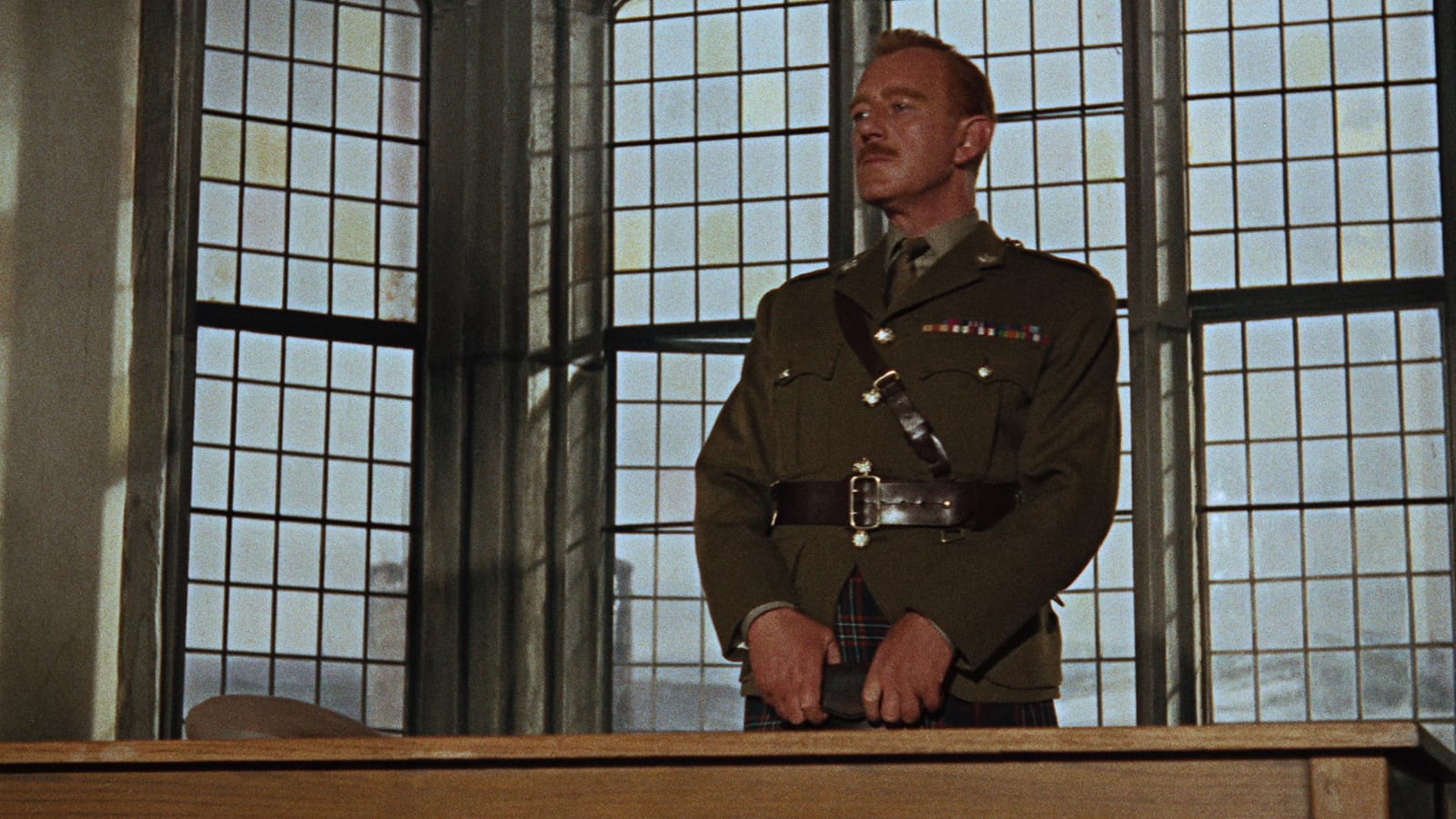
Two years after The Horse’s Mouth, in 1960, director Ronald Neame cast Alec Guinness in his film, Tunes of Glory, based on a book by James Kennaway. The story concerns the battle for control of a peace-time Scottish battalion and the hearts and minds of its men between two colonels: temporary commander Jock Sinclair and his replacement, Basil Barrow. Barrow is a stickler for military rules and regulations, a by-the-book man who will brook no defiance. Sinclair is easy-going, one of the boys, popular with the men because of his unaffected, hail-fellow-well-met attitude. Guinness was originally cast as the stern, unlikeable martinet, Barrow, which was an obvious way to go given his success with a similar character in The Bridge on the River Kwai. Guinness, however, disdained the idea as too easy and suggested swapping parts with John Mills, who had been signed to play Sinclair. It was an inspired thought and the two beloved acting Knights go at one another with great gusto. (Mills won the Best Actor award for his efforts at the Venice Film Festival, an honor previously accorded Guinness for The Horse’s Mouth.)
Guinness undergoes another startling transformation in turning himself into the bluff Jock Sinclair, sporting a stiff, flaming red brush cut and mustache and affecting a convincingly rough brogue. His blunt, whisky-drinking Colonel avidly relishes sparring with his rival, Barrow. It’s as much of a class conflict as anything else. Sinclair is an up-by-the-boots street lad who began his army career as a band boy and feels at home in his rough-and-tumble camaraderie with the men he commands. Barrow, whom Sinclair contemptuously calls a “spry, wee gent” comes from a long line of career soldiers by way of Eton and Oxford and though desperately seeking a haven in the service finds his strict obeisance to the rules has cut him off from any such comfort. Tragedy is the inevitable result of their conflict.
The excellent supporting cast is made up of reliable pros including a lovely young Susannah York in her film debut as Guinness’ daughter; Dennis Price, Guinness’ nemesis from Kind Hearts and Coronets, again displaying a deft flair for villainy as a cool turncoat; and Gordon Jackson, now best known as the phlegmatic head butler Hudson on Upstairs, Downstairs as a loyal subaltern. Also appearing is Kay Walsh in a dramatic turnabout from her down-at-the-heels, plucky barmaid with a “face like an accident” in The Horse’s Mouth as the sophisticated actress and confidante to Guinness she plays here. (She was also a memorable Nancy to Guinness’ Fagin in Oliver Twist.)
Although the greatest strength of Tunes of Glory is its acting, serving as solid foundation are Kennaway’s script and Neame’s direction. Kennaway does not sentimentalize the characters or situation. Sinclair can be sympathetic without whitewashing his boozing, brutal nature; Barrow can be haunted by personal ghosts without justifying his inflexible behavior. And unlike films of the eighties, basking in a contrived warmth, Kennaway does not flinch from the logic of his creations. The conflict between such opposite characters ends not in an unmotivated reconciliation but in senseless destruction.
Neame, a director noted for his calm craftsmanship, guides this story with heroic self-effacement. Coaxing Guinness into a rolling, blustering display of rotund joviality, helping Mills to let a battery of emotions criss-cross his face, Neame’s touch is one of delicate discretion. His unforced emphasis on Sinclair’s mocking of the upperclass accent is a perfect example of the quiet power with which he achieves his effects, in this case, Sinclair’s resentment of the officer class.
If Tunes of Glory is less well known than some of Guinness’ other films, it is not for lack of power. The struggle between Sinclair and Barrow sticks in the memory as the battle between two equals, unable to recognize the strengths of the other or their own failings. And it finishes in a scene of almost unbearable emotional exhaustion: Guinness strutting his stuff, in virtually a monologue, to the sound of muffled drums and skirling bagpipes. It is a movie that lingers long after the actor’s other appearances have faded into dim recollection.

More: Essays
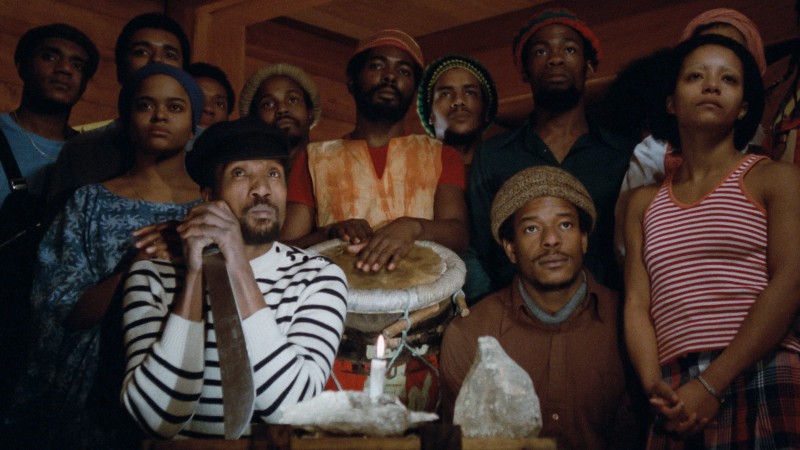
West Indies: The Fugitive Slaves of Liberty: Torrents of Fire, Torrents of Blood
Unfolding in a blaze of vivacious color, Med Hondo’s musical masterpiece is a wildly ambitious exploration of the history of French colonial aggression, the enslavement of African peoples, and their subsequent liberation struggles.

Sentimental Value: Between Trauma and the Sublime
In this powerful drama about family and memory, Joachim Trier explores how the past lives on in us, shapes us, and partly determines who we are and how we feel.
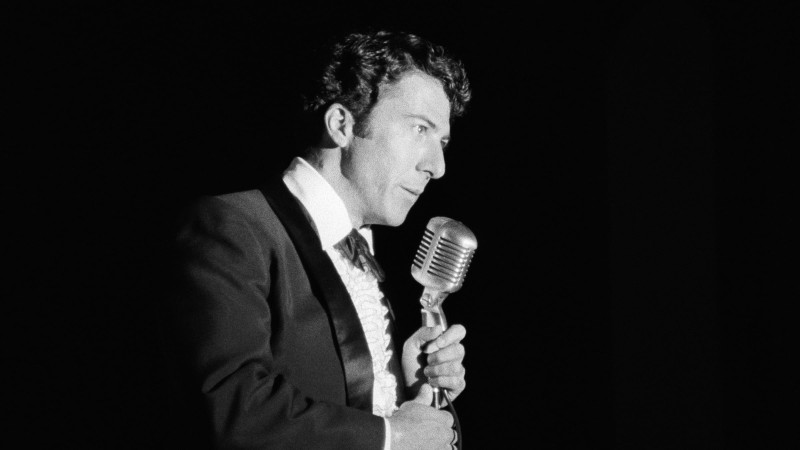
Lenny: High-Wire Act
Featuring a quasi-documentary format that was innovative for its time, Bob Fosse’s complex portrait of stand-up comedian Lenny Bruce is a gesture of postmortem outreach from one prickly, jagged-edged artist to another.

Fresh Kill: Fluid Transmission
New-media pioneer Shu Lea Cheang’s astonishingly prescient dystopian vision takes place in a world where technology feels sticky and bodily, and where networks seep into food, water, and flesh.