L’avventura
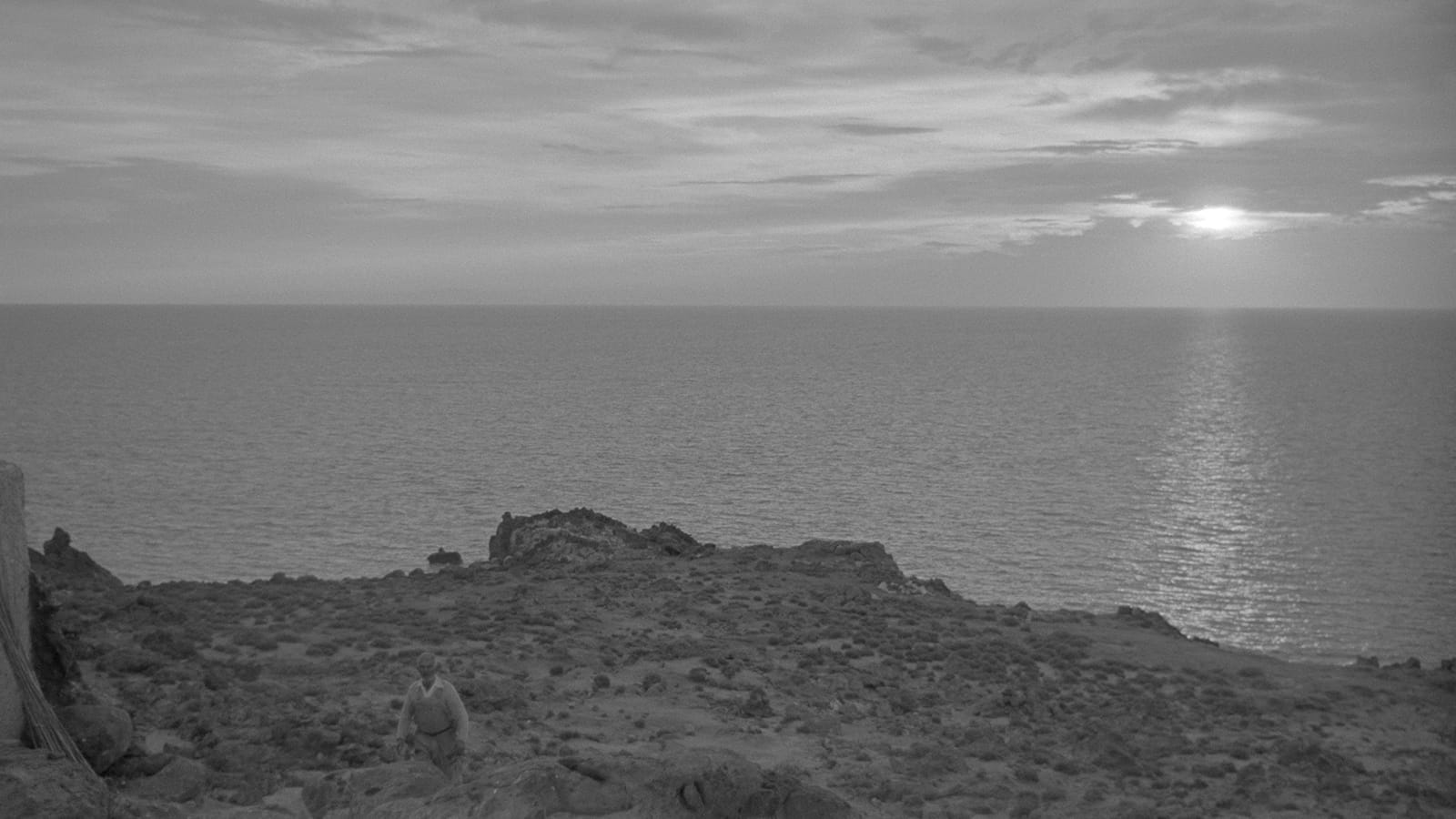
Many films are called “classic,” but few qualify as turning points in the evolution of cinematic language, films that opened the way to a more mature art form. Michelangelo Antonioni’s L’Avventura (The Adventure) is such a work. It divided film history into that which came before and that which was possible after its epochal appearance. It expanded our knowledge of what a film could be and do. It is more than a classic, it’s an historical milestone.
Antonioni was little known in Europe, and none of his films had been seen in the United States, when L’Avventura, his sixth feature, was released in 1960. Almost overnight it catapulted the Italian director to the front ranks of world cinema and made an international celebrity of its star, Monica Vitti, a stage actress appearing in her first film role. A few years later, in a Sight and Sound poll of 100 critics around the world, it was judged to be one of the ten best films of all time.
A wealthy young woman (Lea Massari) disappears from an island off Sicily during a pleasure cruise. While searching for her, her fiance (Gabriele Ferzetti) and her best friend (Monica Vitti) become lovers. But their affair is troubled, and the film ends with their future and the fate of the missing woman unresolved. Around this minimal and enigmatic set of events, Antonioni constructed a revolutionary masterpiece of great beauty, economy, and deep moral seriousness, one of the few films that stands comparison with our century’s most important works of art.
L’Avventura was the first in a trilogy of films (La notte, 1961, and L'eclisse, 1962, are the others) concerned with the familiar postwar existential themes of alienation, non-communication, and the failure to find meaning in a world of obsolete values. But it is not so much about “meaninglessness” as about the characters’ response to it—namely, a retreat into sexuality as a superficial substitute for meaningful work.
In L’Avventura_ everyone except Claudia—especially her lover Sandro—seeks solace in erotic liaisons to cover the emptiness they feel, having unconsciously refused to make their lives meaningful. They represent what Antonioni has called “the malady of the emotional life,” summed up in his famous remark, “Eros is sick.”
But L’Avventura is as life-affirming as it is pessimistic. On one level, the film’s title refers to Claudia’s spiritual journey toward self-knowledge. She alone seems open, searching, questioning, seeking. What matters is not the result of her journey—signified at the end by a single tentative gesture—but the journey itself, the search, and the way she lives it out. The sense of an uncertain spiritual quest gives this austere, unsentimental movie its profound emotional depth.
Antonioni’s great achievement was to put the burden of narration almost entirely on the image itself, that is, on the characters’ actions and on the visual surface of their environment. He uses natural or manmade settings to evoke his characters’ state of mind, their emotions, their life circumstances. We learn more about them by watching what they do than by hearing what they say. We follow the story more by reading images than we do by listening to dialogue. The settings are not symbolic or metaphoric—they are extensions, manifestations, of the characters’ psyches. Physical landscape and mental landscape become one.
This is as “pure” as narrative cinema gets. And it is why L’Avventura is so perfectly suited to the laserdisc medium. If ever a film demanded the still frame, variable speed, and random access capabilities of the CAV laserdisc format, it is L’Avventura. Every frame requires the same contemplation and reflection that we give to the work of our greatest still photographers or painters—and each frame can be studied in its original wide-screen format. A great medium suits a great master’s greatest work.

More: Essays
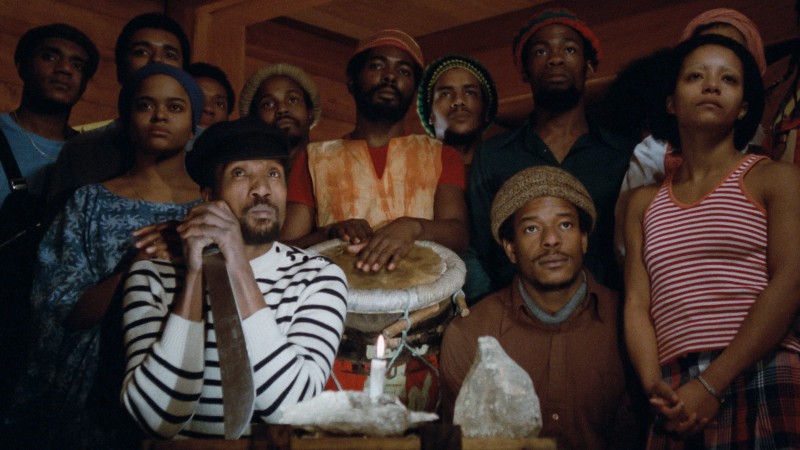
West Indies: The Fugitive Slaves of Liberty: Torrents of Fire, Torrents of Blood
Unfolding in a blaze of vivacious color, Med Hondo’s musical masterpiece is a wildly ambitious exploration of the history of French colonial aggression, the enslavement of African peoples, and their subsequent liberation struggles.

Sentimental Value: Between Trauma and the Sublime
In this powerful drama about family and memory, Joachim Trier explores how the past lives on in us, shapes us, and partly determines who we are and how we feel.
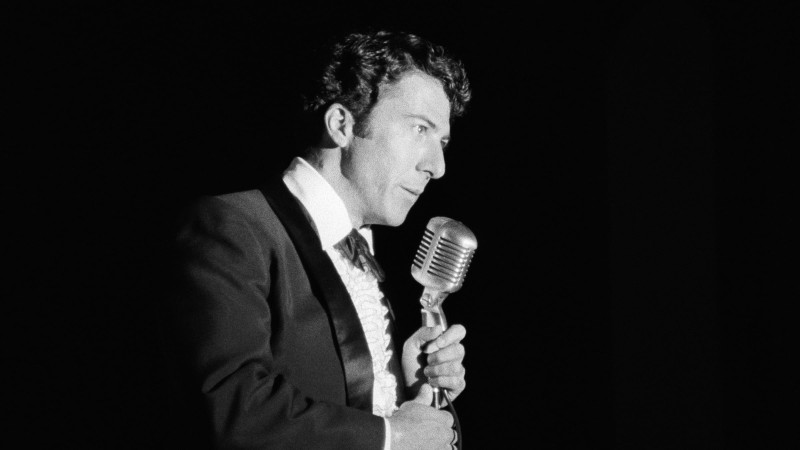
Lenny: High-Wire Act
Featuring a quasi-documentary format that was innovative for its time, Bob Fosse’s complex portrait of stand-up comedian Lenny Bruce is a gesture of postmortem outreach from one prickly, jagged-edged artist to another.
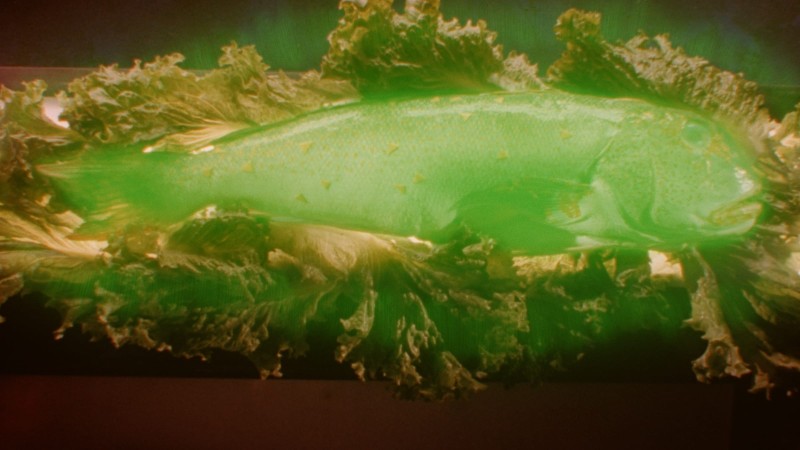
Fresh Kill: Fluid Transmission
New-media pioneer Shu Lea Cheang’s astonishingly prescient dystopian vision takes place in a world where technology feels sticky and bodily, and where networks seep into food, water, and flesh.