White Mane
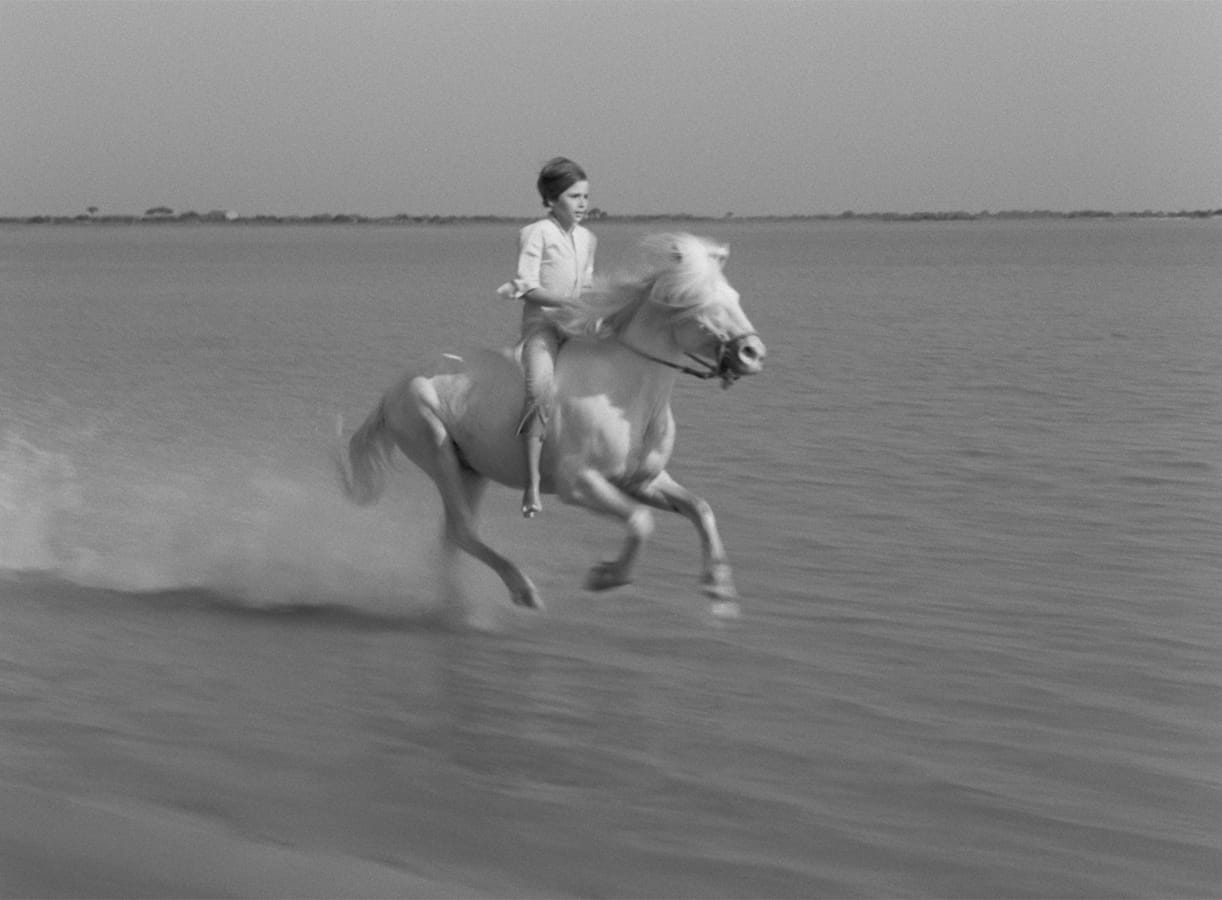
After watching White Mane (1952), viewers shouldn’t be surprised to learn that its director, Albert Lamorisse, began his career as a documentarian. With its lingering views of the harsh, windswept plains of southern France’s rugged Camargue region and its insistent, detailed attention to the behavior of the wild horses that inhabit it, White Mane often seems as much a classic nature documentary as a fanciful children’s narrative. It’s this grounding in reality that makes the film such a singular experience, one celebrated by the seminal French film critic, and champion of realism, André Bazin. White Mane gives the sense of life as it’s being lived, in one of the world’s more inhospitable outposts, while also sustaining a gripping storybook clarity.
White Mane was Lamorisse’s major cinematic breakthrough, winning the Grand Prix for best short film at the 1953 Cannes Film Festival. Like his next film, the sensational hit The Red Balloon (1956), this is a story of outcast youth, lost innocence, and ultimate transcendence, predicated on the relationship between a boy and a nonhuman, inherently inarticulate protagonist. In this film, Lamorisse establishes the close, tender relationship between the boy—here a prepubescent fisherman, Folco (Alain Emery)—and his friend, the horse White Mane, through a commanding voice-over narration and lovely, economical cinematography and editing.
But Lamorisse’s technical mastery—including scenes of crosscutting excitement reminiscent of classic westerns—goes beyond these fundamentals of filmmaking, anticipating some of the special effects he would use in The Red Balloon. Though Emery actually did his own bareback riding (a tremendous physical feat, considering he had to learn how to ride for the film), during the scene in which White Mane drags him violently, facedown, through the muddy marshes, the director himself doubled for the boy. Also, though the majestic stallion seems such a unique, commanding, and truly wild personality, he was in fact a necessary composite of several trained horses. It’s the sort of invisible magic that Lamorisse would become famous for with his creation of the illusion of a sentient helium balloon floating over Paris with teasing charm and surprising wit.
Also like that later film, White Mane ends on a strikingly ambiguous note, launching its child protagonist off to an undetermined (and, in this case, even vaguely threatening) future. Whether that “wonderful place where men and horses are friends, always,” as the narrator intones, is on some magical island or in the cold depths of the sea is open to interpretation. But what’s definite is that Folco and White Mane’s final flight is a necessary escape from a world that Lamorisse has painted as irredeemably corrupt. The anonymous horse wranglers who want to lasso White Mane are cut from the same cloth as the faceless hunters responsible for the death of Bambi’s mother and the destruction of his forest. It’s a fascinating tradition of children’s fiction that White Mane continues, evoking an Edenic world of children and animals living in harmony—one very far away from where we are.

More: Essays
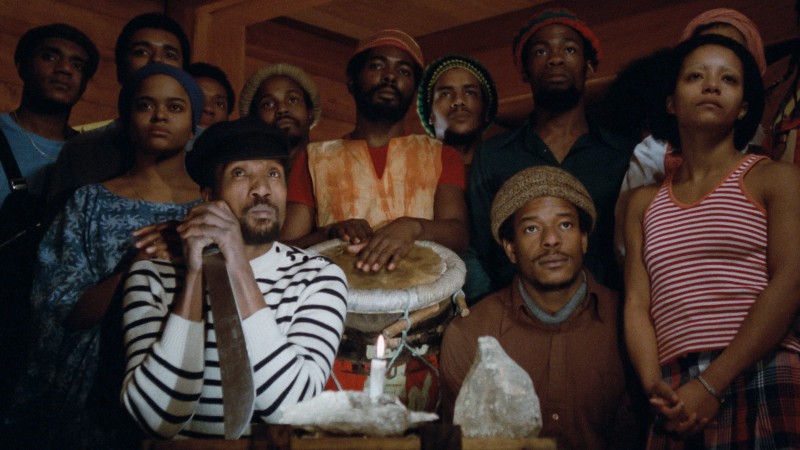
West Indies: The Fugitive Slaves of Liberty: Torrents of Fire, Torrents of Blood
Unfolding in a blaze of vivacious color, Med Hondo’s musical masterpiece is a wildly ambitious exploration of the history of French colonial aggression, the enslavement of African peoples, and their subsequent liberation struggles.

Sentimental Value: Between Trauma and the Sublime
In this powerful drama about family and memory, Joachim Trier explores how the past lives on in us, shapes us, and partly determines who we are and how we feel.
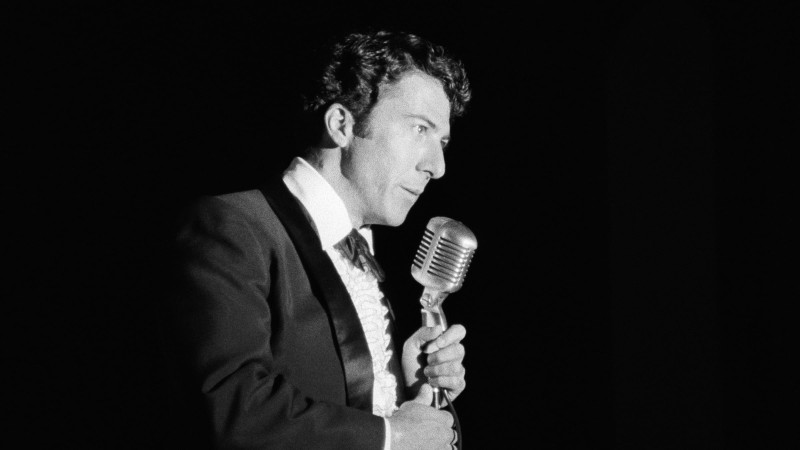
Lenny: High-Wire Act
Featuring a quasi-documentary format that was innovative for its time, Bob Fosse’s complex portrait of stand-up comedian Lenny Bruce is a gesture of postmortem outreach from one prickly, jagged-edged artist to another.
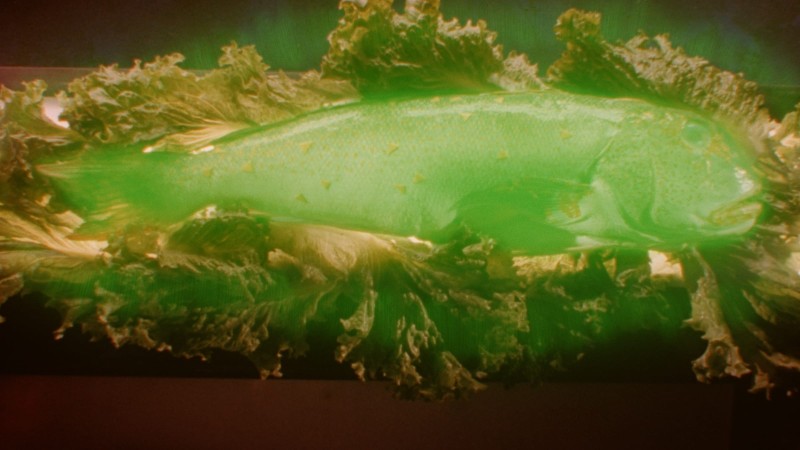
Fresh Kill: Fluid Transmission
New-media pioneer Shu Lea Cheang’s astonishingly prescient dystopian vision takes place in a world where technology feels sticky and bodily, and where networks seep into food, water, and flesh.