Listening to The Third Man
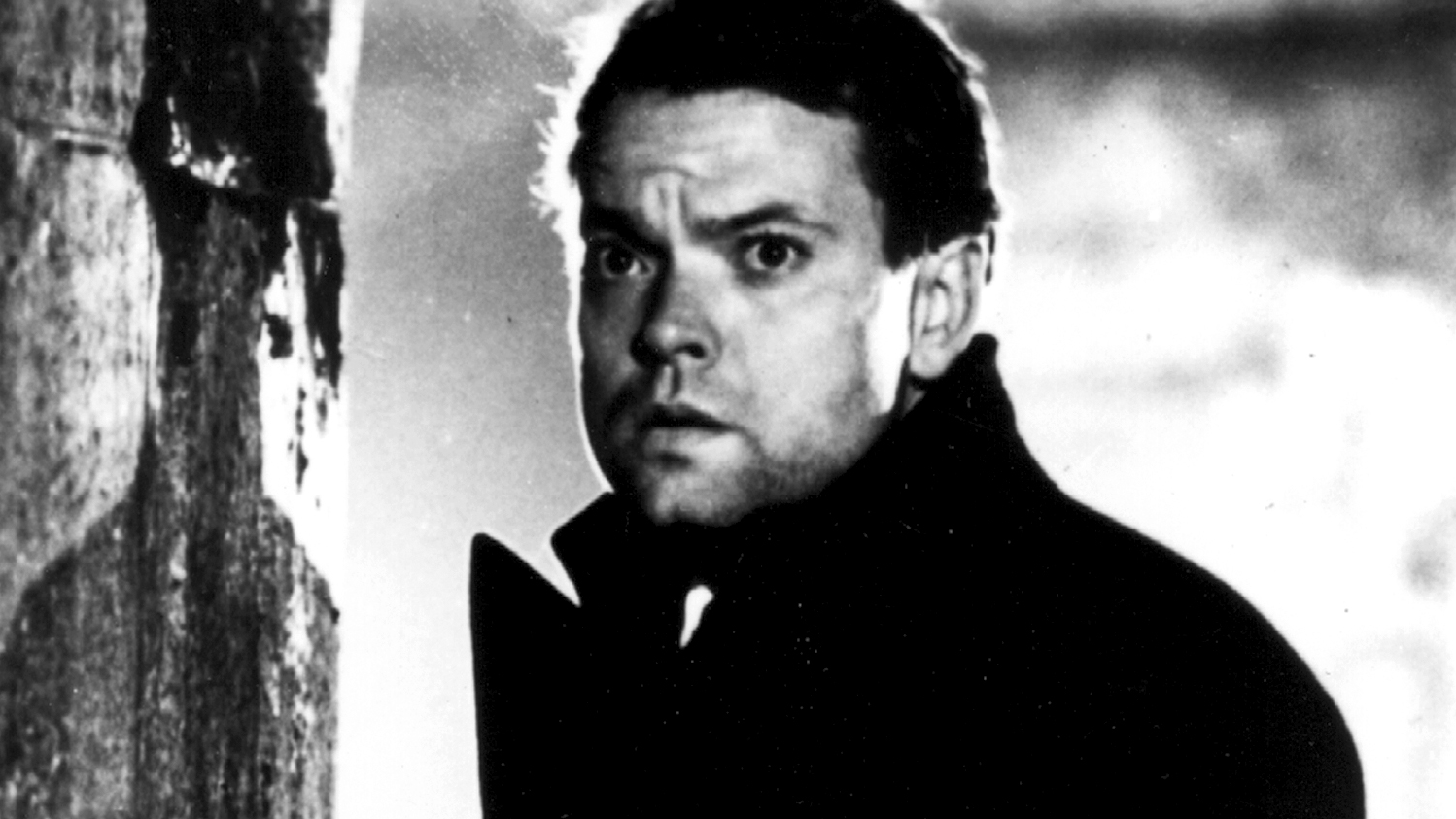
As The Third Man’s opening credits roll, the vibrating strings of Anton Karas’s zither slide you into an angular, dreamlike state. The instrument has this particularly sideways and elusive quality that is both playful and dark, sometimes making you turn your head sideways as well. Like the story unfolding, it has a casual velocity, like winding down the shadowy cobblestoned streets of postwar Vienna.
The very first time you hear the opening notes to “The Harry Lime Theme”(a.k.a. “The Third Man Theme”), it seduces you, draws you in, and welcomes you to a strange, elegant, and dangerous world, at once foreign and accessible. And after you’ve heard it, your musical world is changed forever. The same way it is altered when you first hear James Brown or Mahler: so unique, yet familiar. This accessible quality is part of the reason the theme became so popular. It reportedly sold more than half a million copies of piano sheet music at the time, that era’s equivalent of record sales. So “The Harry Lime Theme” was the equivalent of a number-one record before there was even a Top Ten. It has never gone out of print since its release, and it’s been recorded by over four hundred artists, from the Beatles to Guy Lombardo.
I don’t have a clear memory of when I first saw and heard this striking film, but it was sometime in the sixties, on late-night television. I do recall my confusion. How could all this carnival music be everywhere, throughout the streets, bars, and bedrooms? Is this how people lived in Europe after World War II? And, most importantly, what kind of instrument can sound like a piano and a guitar at the same time? All the shadows and intrigue shot straight into my fifteen-year-old heart.
It wasn’t until I was an adult that I came to understand what an incredible dialogue director Carol Reed and Karas were able to achieve between film and score, and how far ahead of their time they were to conceive and execute this kind of union. It’s nearly impossible to pin down how the score changes the visual, but it clearly adds an empathy or sadness to quiet scenes and lightens the more sinister ones. Remarkably transparent, it can start and stop in a scene without calling attention to itself. But the mood and character wouldn’t mean as much if not for the main theme. People may write about the music’s sinister element, but it’s the bounce and lightness that contrast with the film so beautifully. It isn’t dark or sinister so much as it evokes a feeling of forgotten Eastern European folk or gypsy music. It is the underbelly of the black market, the sound of gypsies and Viennese waltzes, intertwining with the film to become one.
Karas and Reed may hold the distinction of being the first to score a complete film with only one instrument. In years to come, others would use a solo piano or trumpet to score films, as Louis Malle did with Miles Davis for Elevator to the Gallows (1957), and later an electric guitar, as Jim Jarmusch did with Neil Young on Dead Man (1995). But none of those efforts are able to evoke the range of emotion of Karas’s one-man-band instrument, or connect with their film in the way that this score does. The fact that Karas and Reed couldn’t speak the same language, or read or write music, only adds to the achievement.
As the zither wafts in and out of the film, playing under long, dramatic scenes, it’s as if only one radio station or a solitary street musician plays throughout the entire city. The soundtrack is exactly that: something that weaves through every room as though piped in through thousands of speakers, occasionally as counterpoint to a plot turn or just as easily to underscore an event. The comical or playful side of these tunes and the instrument can so easily be overlooked because the subject and the tone of the film are so stark. That is possibly one of the score’s greatest qualities, to add balance to a very skillful, skewed piece of filmmaking. Of all the achievements and innovations of the film, none can touch the raw experience and mystery of those vibrating strings first revealed in the opening credits. They last and last and never let you forget them.

More: Essays
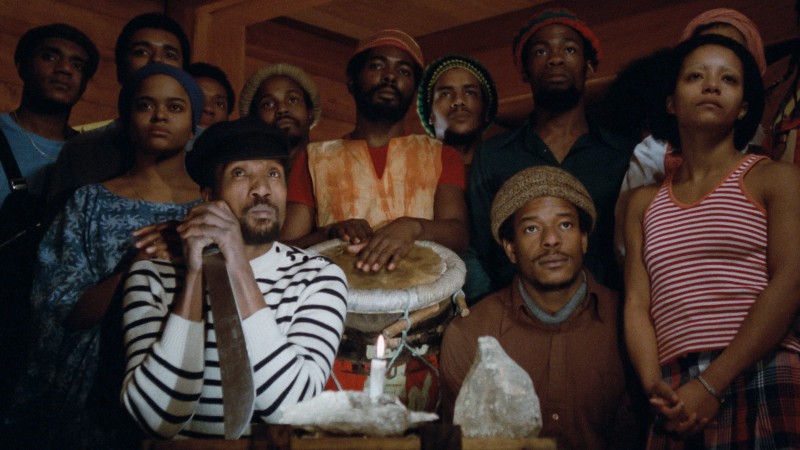
West Indies: The Fugitive Slaves of Liberty: Torrents of Fire, Torrents of Blood
Unfolding in a blaze of vivacious color, Med Hondo’s musical masterpiece is a wildly ambitious exploration of the history of French colonial aggression, the enslavement of African peoples, and their subsequent liberation struggles.
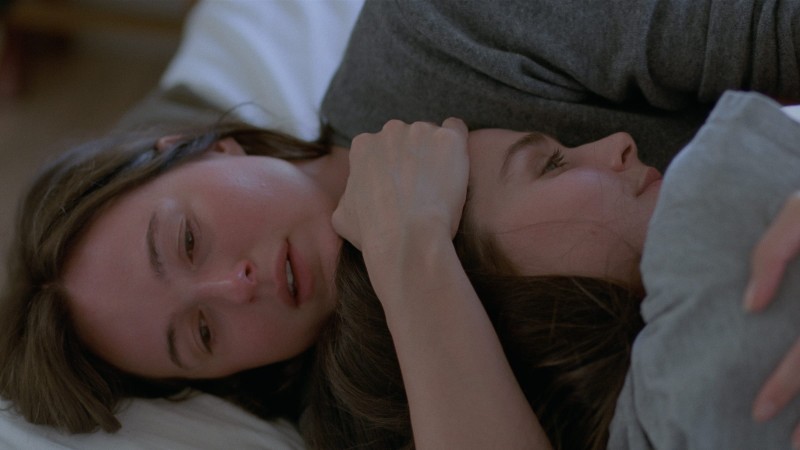
Sentimental Value: Between Trauma and the Sublime
In this powerful drama about family and memory, Joachim Trier explores how the past lives on in us, shapes us, and partly determines who we are and how we feel.
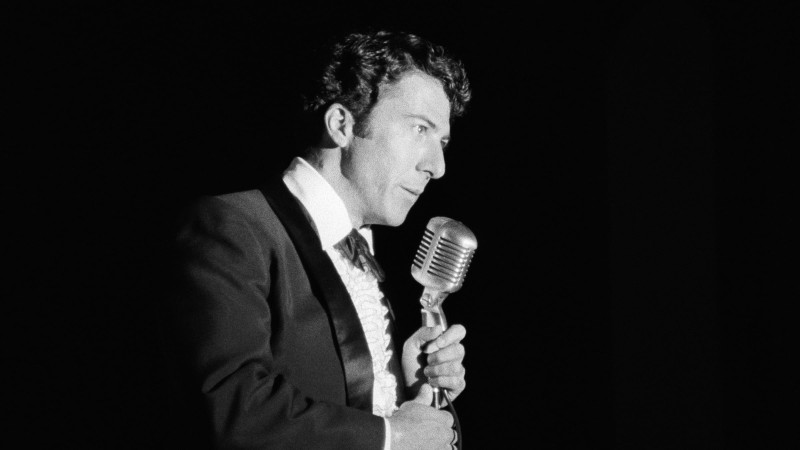
Lenny: High-Wire Act
Featuring a quasi-documentary format that was innovative for its time, Bob Fosse’s complex portrait of stand-up comedian Lenny Bruce is a gesture of postmortem outreach from one prickly, jagged-edged artist to another.
Fresh Kill: Fluid Transmission
New-media pioneer Shu Lea Cheang’s astonishingly prescient dystopian vision takes place in a world where technology feels sticky and bodily, and where networks seep into food, water, and flesh.