Blood for Dracula
Paul Morrissey’s two horror entertainments, Flesh for Frankenstein and Blood for Dracula, have become cult classics for their outrageousness and gross humor. But there is more to both films than meets the funnybone.
They have much in common with Morrissey’s more characteristic films, the Flesh trilogy of 1968–72 and his New York street sagas, Mixed Blood (1974) and Spike of Bensonhurst (1988). The central figures fail to achieve a full self or life because they have too much freedom and power. Sensual self- indulgence seems the characters’ worst flaw and sexual exploitation the typical human relationship. Morrissey’s period pieces (including Beethoven’s Nephew, 1985) depict the historical roots of the amorality and commodification that Morrissey reflects in his contemporary dramas. So while these films are hearty comedies, they confirm Morrissey’s passionate critique of modern permissiveness.
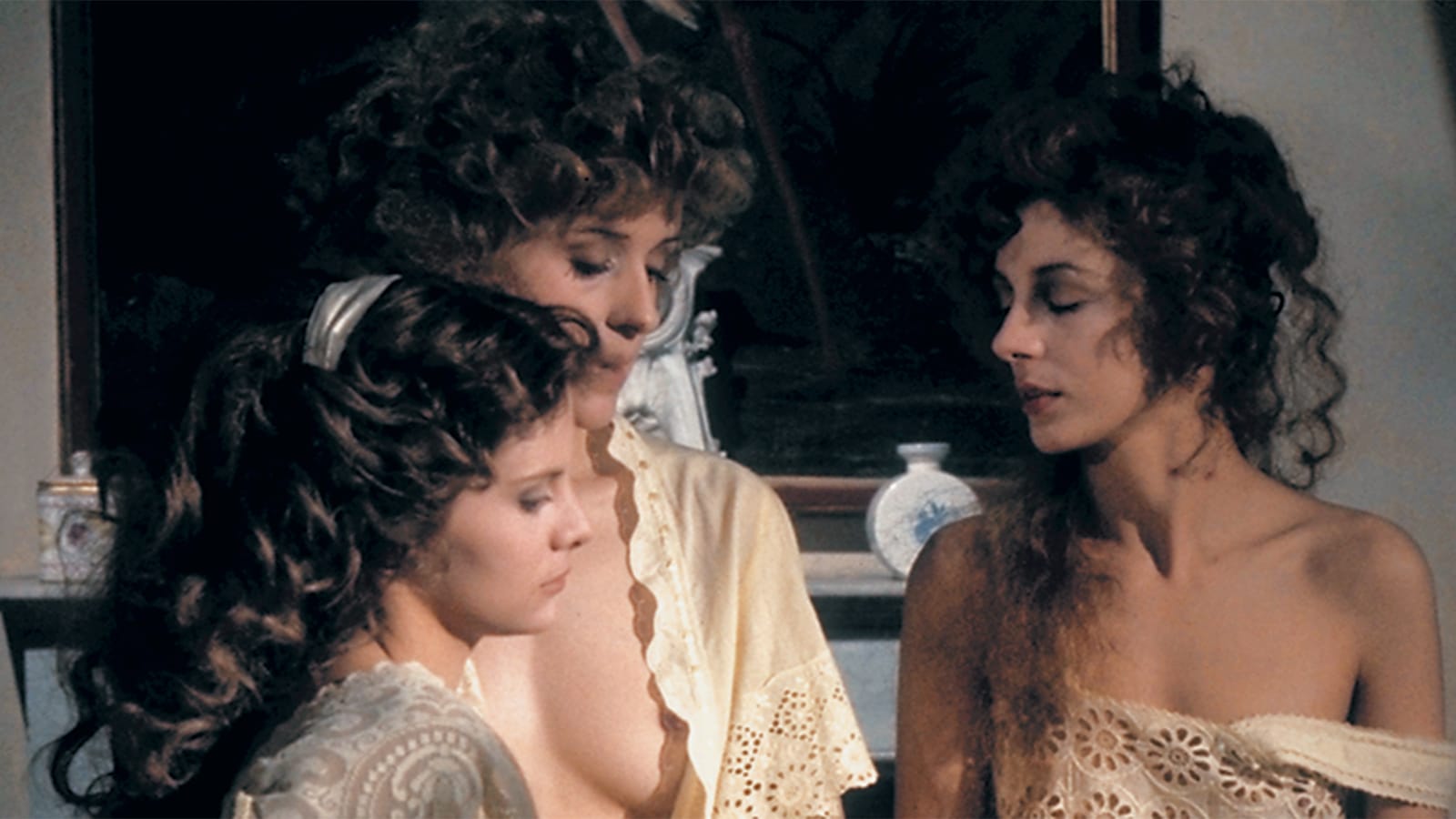
A shortage of Romanian virgins drives the vampire Count Dracula (Udo Kier) and his faithful servant Anton (Arno Juerging) to Italy. There an aristocratic family is pleased to provide a bride from among their daughters. But the count chokes on their nonvirginal blood. The family handyman, Mario (Joe Dallesandro) rapes the 14-year-old daughter, ostensibly to save her from the vampire. After the climactic carnage, this peasant commands the estate.
Morrissey obviously has a lark with the vampire film conventions. He seems to be both in and outside the genre, utilizing and satirizing it at the same time. So no explanation is given for why the Italian peasant Mario speaks New York colloquial; a modern character is simply forced onto the period. His Marxist clichés also satirize the political pretensions of the European art cinema. In contrast to Anton’s selfless service to the count, Mario’s seduction of three of his master’s four daughters replaces the higher values of legend with the vices of social reality.
In the same spirit of being both in- and outside the genre, Morrissey casts two established film directors in significant roles. The master of Italian neorealism, Vittorio De Sica, plays the Marchese di Fiori, and Roman Polanski, a specialist of psychological horror, plays the peasant who bests Anton in a tavern game. This star casting invites a comparison between the impotent, vain aristocrats and the potent, pragmatic peasants.
The marchese also relates to the count as a romantic striving to sustain traditional values against a corrupt modernity. The count assumes more dignity and pathos from this comparison. Indeed, he becomes a genuinely moving figure when he’s tricked into taking nonvirgin blood. His toilet agonies are laughable, but we are touched when we remember that they are the death throes of a dashing figure who cannot survive in a world without purity. In this corrupt world, sex means death to the romantic hero.
Mario’s professed Marxism may seem persuasive, but it’s revealed as but another form of oppression. In front of his hammer and sickle insignia, Mario brutalizes his women. When he supplants di Fiori and dispatches Dracula, Mario represents not the triumph of the people but the replacement of one tyranny with another, less dignified. On another level, Dallesandro’s succession of De Sica represents the ascent of Morrissey’s New York neorealism over De Sica’s.
Blood for Dracula is not a film for the squeamish. It has obvious appeal for the lover of Grand Guignol—but it equally addresses the thoughtful.

More: Essays
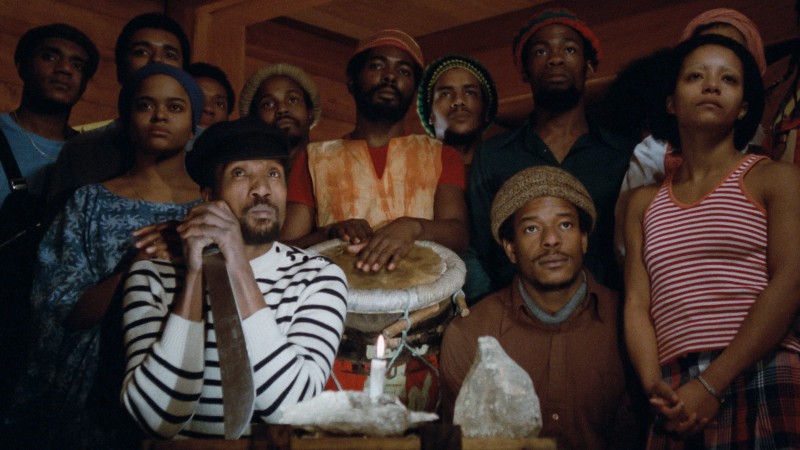
West Indies: The Fugitive Slaves of Liberty: Torrents of Fire, Torrents of Blood
Unfolding in a blaze of vivacious color, Med Hondo’s musical masterpiece is a wildly ambitious exploration of the history of French colonial aggression, the enslavement of African peoples, and their subsequent liberation struggles.

Sentimental Value: Between Trauma and the Sublime
In this powerful drama about family and memory, Joachim Trier explores how the past lives on in us, shapes us, and partly determines who we are and how we feel.
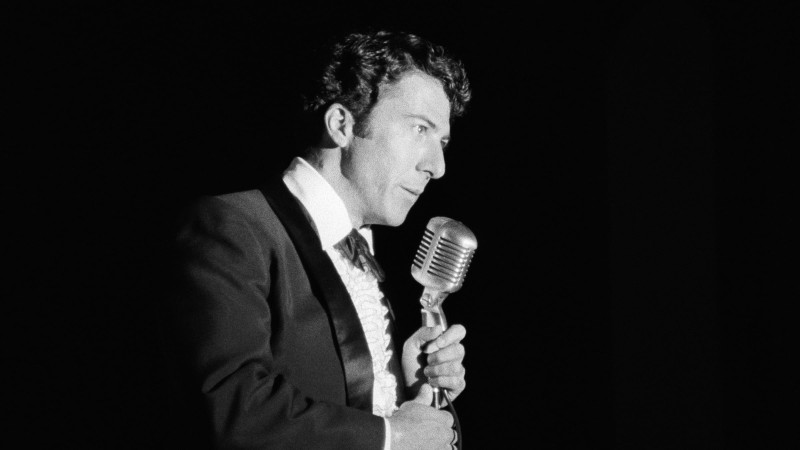
Lenny: High-Wire Act
Featuring a quasi-documentary format that was innovative for its time, Bob Fosse’s complex portrait of stand-up comedian Lenny Bruce is a gesture of postmortem outreach from one prickly, jagged-edged artist to another.

Fresh Kill: Fluid Transmission
New-media pioneer Shu Lea Cheang’s astonishingly prescient dystopian vision takes place in a world where technology feels sticky and bodily, and where networks seep into food, water, and flesh.