Stolen Kisses: Drenched with Desire
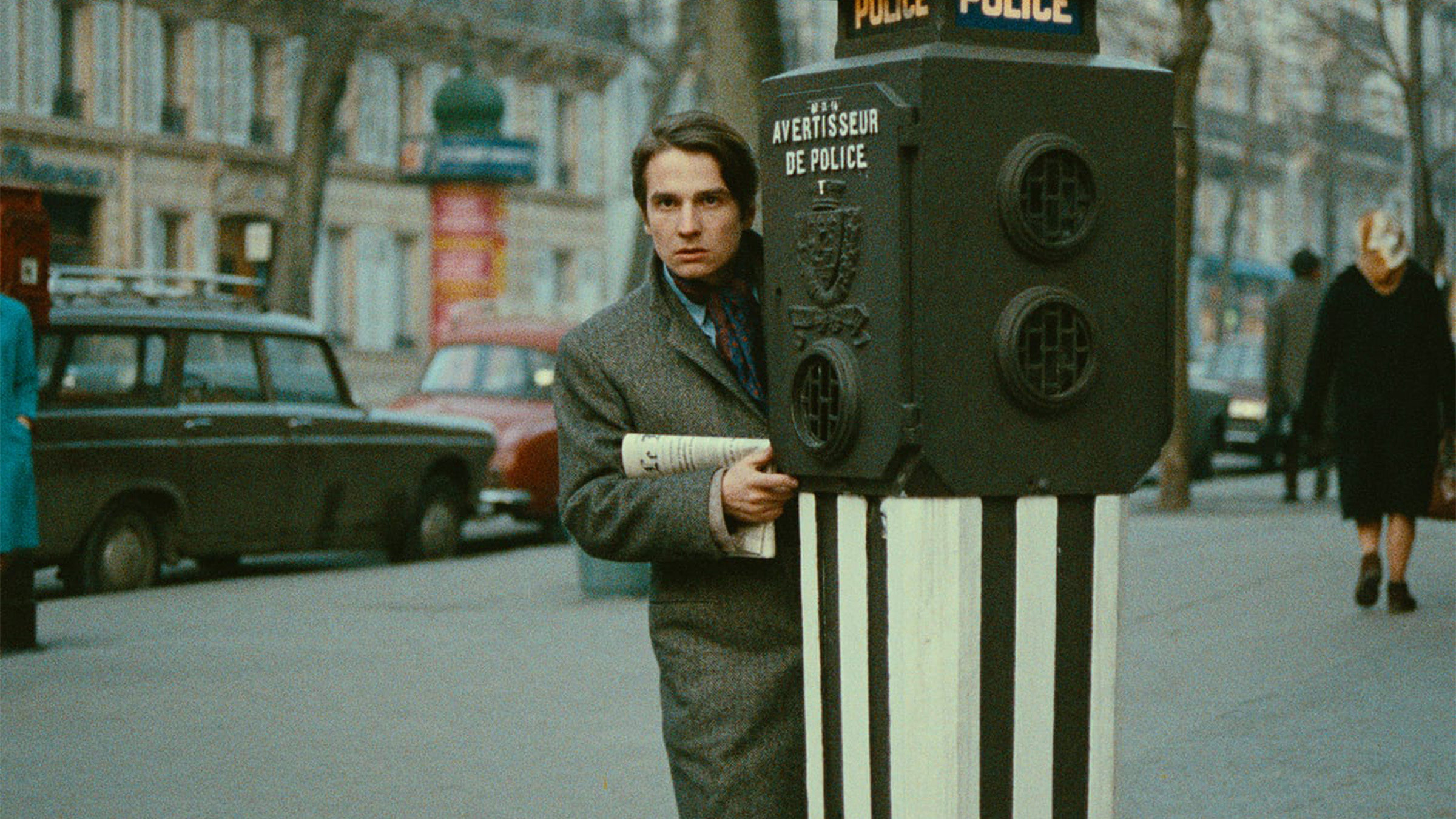
The Antoine Doinel of Stolen Kisses (1968)—the third of five screen incarnations—was almost a decade older than the movingly delinquent child who electrified audiences in The 400 Blows at the 1959 Cannes Film Festival as he ran for salvation across the French countryside to the sea in one continuous tracking shot.
The mood in Stolen Kisses is lighter and more festive, which reminds us once more that the French at their most felicitous are still the most civilized observers of the obsessiveness of love. Paris may no longer be the ooh-la-la capital of the world, but somewhere in its streets the idealism of love still shines—at least in the slyly sentimental world of François Truffaut, that poet of love’s sweet pain and excruciating embarrassments.
On the surface, Jean-Pierre Léaud’s Antoine Doinel existed simply as a biological and sociological continuation from tortured childhood in The 400 Blows, through anguished adolescence in Antoine and Colette (1962), and then through muddled manhood in Stolen Kisses. But as Léaud’s Antoine matured, so did Truffaut. The director’s canvas expanded with the range of his sympathies to embrace more of humanity than ever before, and with emotional growth came aesthetic distance. Truffaut even confronted his own traumatic experience with the army as multifaceted irony flickering across Léaud’s volatile features.
Fortunately, Truffaut’s knowingness is tempered with observant humor. Antoine Doinel still has more luck with the girl’s parents than with the girl herself (as in Antoine and Colette). But now this self-mocking gag is amplified to include Antoine’s alienation from rioting upper-middle-class students. Truffaut expresses this alienation most economically by Léaud’s blank expression when he is told that Christine (Claude Jade) has gone skiing while her classmates are on strike. Léaud’s reaction is a candid-camera miracle of instinctive incomprehension. Later, when Christine complains that he mauls her in the movies, Antoine turns around with an anxious look at the girl’s imperturbable parents, an instantaneous reflex of drugstore-candy courtliness that defines the decency of a class and a period.
The scenario of Stolen Kisses (by Truffaut, Claude de Givray, and Bernard Revon) is a perpetual juggling act by which harsh truths are disguised as light jokes. The sheer horror and inanity of competing in the open market for a routine job is hilariously summed up in a straight-faced shoe-wrapping contest, the outcome of which, to add to life’s injustices, has been fixed in advance. Antoine’s other jobs—hotel night clerk, private detective, TV repairman—mark him as a disreputable drifter capable, like Truffaut and his breed of breakout artists, of sinking all the way to the bottom in order to rise to the top. Antoine will have learned and experienced so much of the human condition that he won’t be able to keep himself from becoming a real artist.
Amid all his careful calculations designed to suggest careless rapture, Truffaut did let loose in genuinely privileged moments worthy of Jean Renoir and Jean Vigo. The scene, for example, in which the delicate task of mine detection is described as a military metaphor for the equally delicate seduction of a woman might have amused Renoir as an unveiling of the French psyche. Yet, though Truffaut retains his romantic preference for the elective affinities, he redeems all sexuality, even the most sordid, as an affirmation of the life force. Hence, when a sort of father figure to Antoine is buried, the distraught young man goes straight from the funeral to a streetwalker, almost as if the transition from the morbid to the sordid were prescribed as part of a religious ritual.
Then, while tailing a gay client’s straying lover for his detective agency, Antoine participates as an entranced spectator to a sublime spectacle with a lyrical magician right out of L’Atalante. That Truffaut should pause to savor this rhapsody of colored fabrics and tinkling tunes suggests the furtive manner with which the director worships beauty for its own sake. Later, when the distraught gay client goes berserk upon discovering that his lover is married, the magic act becomes the aesthetic correlative for a fit of madness.
Gradually, one obsession piles upon another, until all Paris seems drenched with desire. Antoine’s brightest moment of civilized acceptance comes quite sweetly with the spectacular entrance of Delphine Seyrig’s not-too-married woman, a model of taste and discretion with perhaps a dash too much of makeup and mannerism and literary sensibility, but delectably accessible nonetheless, in a warmhearted way Seyrig never quite explored in the icy realms of Last Year at Marienbad (1961) and Muriel (1963). Finally, we are confronted with one last madman, a persistent pursuer of Antoine’s at-last compliant Christine. The madman walks up to the two lovers in a park, and speaks bitterly of his all-consuming love for Christine. The camera stays on the backs of the two lovers looking full-face at the madman. The shot is held long enough for the viewer to feel Antoine’s hairline in the back of his neck tingling with embarrassed identification. The madman departs. Antoine and Christine rise from the bench. “He’s crazy,” Christine exclaims. “Yes, he is,” Antoine answers noddingly, with that quiet, almost reverent serenity on his face that signifies to us that we are all crazy, that all love is crazy. Crazy and divine. Truffaut, like Antoine, then and always, was a fool for love.
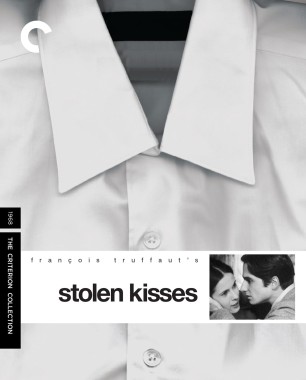
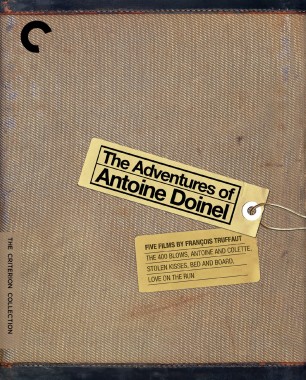
This essay was originally published in the Criterion Collection’s 2003 edition of The Adventures of Antoine Doinel.
More: Essays
Sentimental Value: Between Trauma and the Sublime
In this powerful drama about family and memory, Joachim Trier explores how the past lives on in us, shapes us, and partly determines who we are and how we feel.
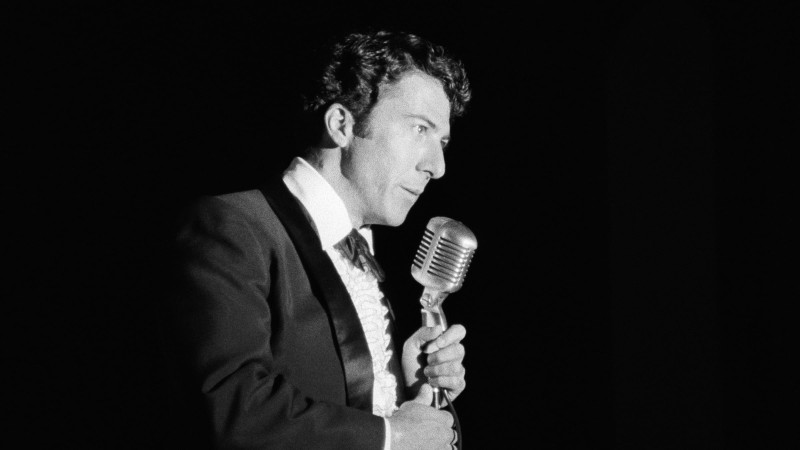
Lenny: High-Wire Act
Featuring a quasi-documentary format that was innovative for its time, Bob Fosse’s complex portrait of stand-up comedian Lenny Bruce is a gesture of postmortem outreach from one prickly, jagged-edged artist to another.
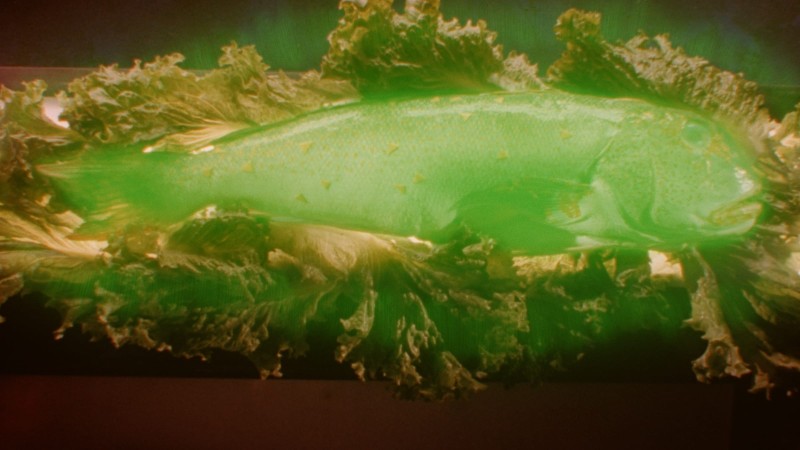
Fresh Kill: Fluid Transmission
New-media pioneer Shu Lea Cheang’s astonishingly prescient dystopian vision takes place in a world where technology feels sticky and bodily, and where networks seep into food, water, and flesh.
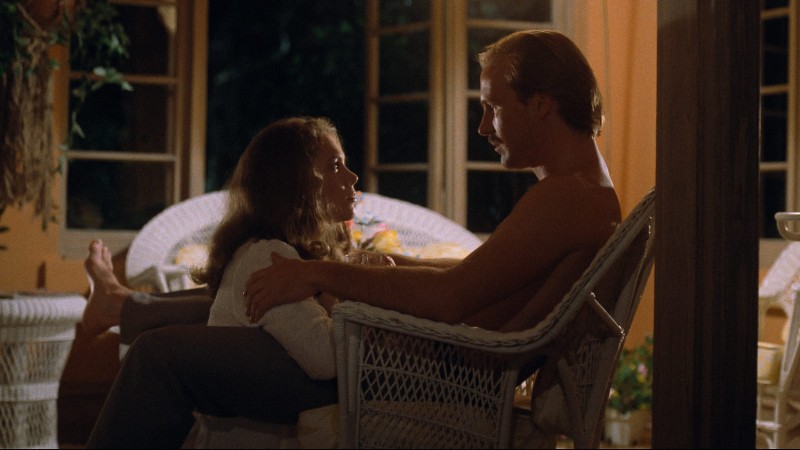
Body Heat: The Trap You Set for Yourself
In his stylish and provocative directorial debut, Lawrence Kasdan uses the vehicle of a sex-and-murder plot to explore the film’s historical moment, which gave rise to the greed and amorality of the Reagan era.