The Criterion Collection
Search
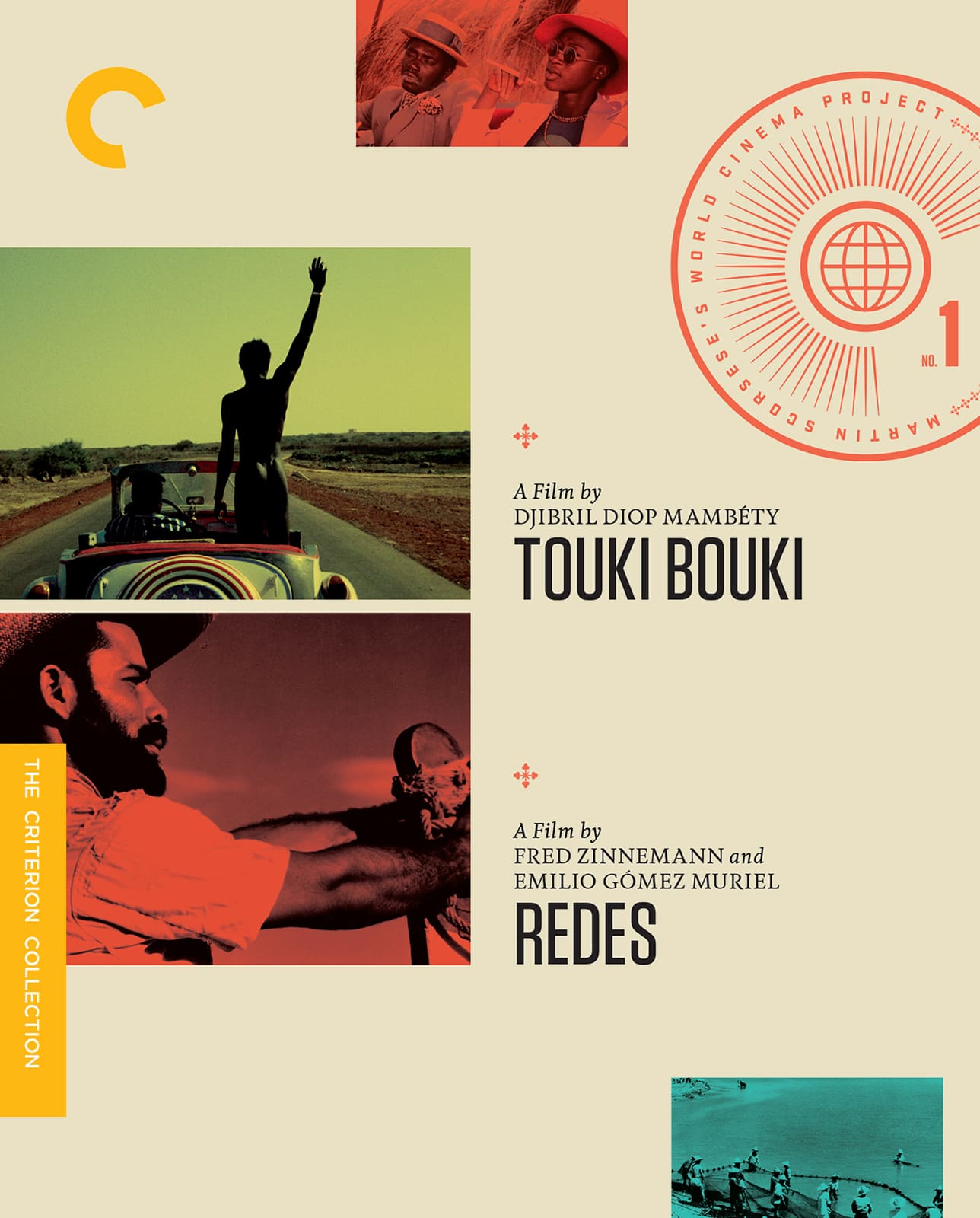

Redes: El cine mexicano
Essays
Dec 11, 2013 — This political drama was made in Mexico at a revolutionary moment and represents an extraordinary confluence of international talent.
Dec 9, 2013 — The critic and WCP executive director offers a personal take on art cinema and a primer on the project’s scope and mission.
Sep 30, 2020 — Martin Scorsese’s World Cinema Project No. 3 More than eight decades since its release, Dos monjes (1934) continues to invite reappraisals, as much for its expressionist style—exceptional within Mexican cinema—as for its nonlinear narrative and for the creative contributions of...
Lost and Found Cinema redesign
Features
Aug 8, 2018 — The concrete bunker looms up surreally from the rolling green countryside, a huge brutalist fortress sprouting from a hillside thick with wildflowers. This is the Library of Congress’s National Audio-Visual Conservation Center in Culpeper, Virginia, also known as the Packard...
Dec 16, 2008 — More than a year ago, Peter and I were in the midst of discussions about how we wanted to launch the Criterion cinematheque. Over time, those discussions expanded to include every department at Criterion. We wanted to have a single...
May 20, 2024 — From documentaries and stop-motion animation to multimedia projects, the richly varied work of this veteran director is a testament to her innovative spirit and her commitment to the everyday beauty of African American experiences.
Freddie Francis on The Innocents
Features
Oct 2, 2014 — The following is a chapter on The Innocents from cinematographer Freddie Francis’s memoir, The Straight Story from “Moby Dick” to “Glory.” It is reproduced here courtesy of Scarecrow Press. The last picture I worked on as a cinematographer in my...
A Conversation with Irish Jack
Interviews
Aug 28, 2012 — The boy Quadrophenia’s Jimmy was based on (or was he?) talks to us about the mod life.
Sep 16, 2025 — In response to the suffocating conservatism of the eighties, Lizzie Borden crafted a pluralistic vision of a feminist front that neither ignores difference nor lets it stand as an immovable obstacle to political solidarity.
Aug 26, 2025 — Zeinabu irene Davis’s sole narrative feature is a vision of the past as it might have been, as well as an exploration of how history becomes a part of the everyday rhythms of Black life.