The Criterion Collection
Search

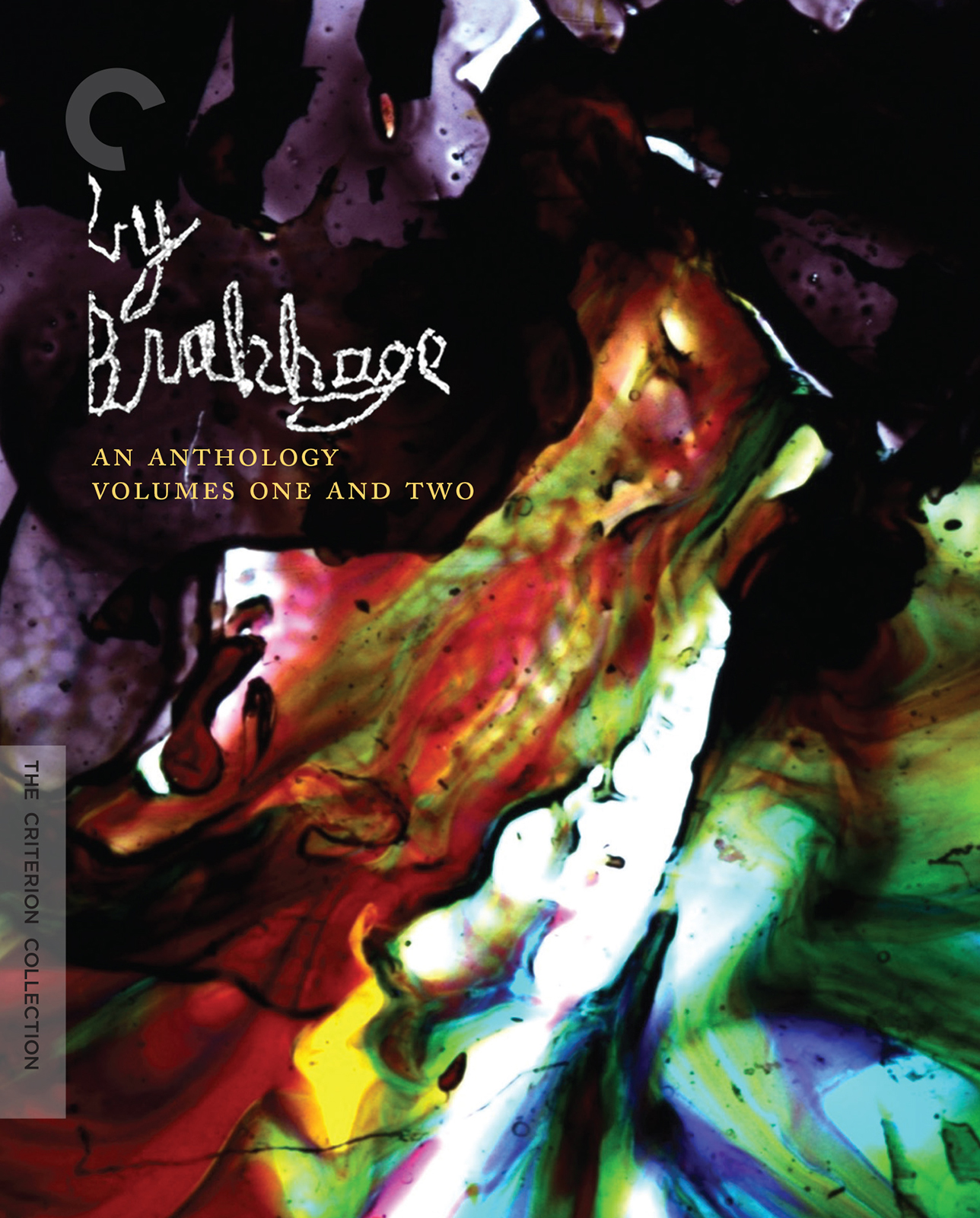




May 25, 2010 — Between 1952 and 2003, depending on how the various serial works are counted, Stan Brakhage made somewhere between 350 and 400 films, about half of them short film poems under ten minutes in length, most of the rest between ten...
May 25, 1992 — If Max Ophuls hadn’t cooled his heels in Hollywood to flee the Nazis, his name might have conjured only the most unintelligible of foreign cinema—vague and inaccessible to the average American filmgoer. But in 1948 Ophuls was given an opportunity...
Nov 11, 2013 — A boldly silent film in the talkie era, Charlie Chaplin’s masterpiece has a grace that has never been equaled.
Jun 17, 2015 — Taking the form of a casual conversation, Louis Malle’s film about transformative experiences is an outgrowth of its writer-stars’ experimental theater days.
Oct 7, 2015 — It’s night in the desert. Mike (River Phoenix), a teenage hustler given to bouts of narcolepsy, and Scott (Keanu Reeves), a slumming preppy prince, are huddled over a campfire. “I just want to kiss you, man,” says Mike softly. The...
Dec 7, 2021 — Regina King’s feature-film directorial debut envisions the true-life convergence of four prominent Black figures with empathy and moral urgency.
Don’t Play Us Cheap: The Sacredness of Saturday Night, or the Gospel According to Melvin Van Peebles
Essays
Sep 28, 2021 — The first Black-directed movie musical of the modern film era, Melvin Van Peebles’s drama illuminates the cultural and political concerns of working-class Black people with delight and fancy.
Pixote: Out in the Streets
Essays
Sep 30, 2020 — Martin Scorsese’s World Cinema Project No. 3 Pixote (1980), subtitled A lei do mais fraco (The Law of the Weakest), a hard-hitting tale of urban street children and their daily battle for survival in brutal conditions, was the Argentine-born Brazilian...
Sep 3, 2007 — Very few movies count as truly significant milestones in the development of American “indie” cinema during the last quarter of the twentieth century. They include Eraserhead (1977) and Return of the Secaucus Seven (1979), as early trailblazers; She’s Gotta Have...
Heiress at the Revolution
Features
Nov 20, 2018 — In the aftermath of the political turmoil that swept through France in 1968, Sylvina Boissonnas used her wealth to sponsor some of the most radical films of the era, including works by Philippe Garrel and Jackie Raynal.