


Headlines and Hollywood

Share
By the time Sam Fuller directed his first film at the age of thirty-six, he’d already lived three lives: as a journalist, a novelist, and an infantryman. By spinning his newsroom and frontline experiences into his movies, Fuller developed a unique cinematic voice that was complex and sophisticated, at times brutish and raw, though always truthful and personal. Fuller himself was a character only he could script—a magnanimous storyteller who spoke with brutal clarity and urgency (usually with a cigar clenched tightly in his teeth), relating to those around him as if they were comrades in a foxhole fighting deadlines, Nazi Germany, or studios unwilling to cooperate with his vision. What he once said about the writer he most admired, Balzac, Fuller could have said about himself: “He lived his stories.”
Samuel Michael Fuller was born in Worcester, Massachusetts, on August 12, 1912. Legend has it that he was mute for the first five years of his life, an ironic beginning for a man who would later be known for his loquaciousness. His father died when he was ten, and a year later he moved with his mother to New York City, where he immersed himself in the world of tabloid journalism—his first great influence.
At twelve, lying about his age, Fuller got an after-school job working for the legendary editor Arthur Brisbane in the “morgue” (filing room) of the New York Evening Journal, a Hearst publication. He remained Brisbane’s personal copy boy till he reached seventeen, when he quit to become the youngest crime reporter on staff at the New York Evening Graphic. But when an editor at the Graphic talked the young Fuller into bringing a photographer to school with him to expose a supposed sex scandal, his high school principal expelled him, bringing a premature end to any thoughts of an academic career. Not that it mattered to Fuller: “He made me very happy because that meant a day job.”
More: Features
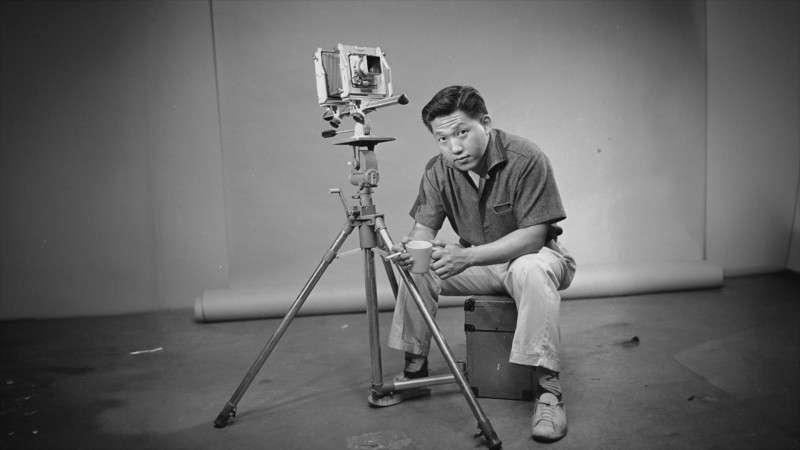
The Banner Is Raised: Robert A. Nakamura’s Groundbreaking Activist Cinema
The pioneering filmmaker paved the way for generations of Asian American artists with his depictions of historical traumas, including the incarceration of Japanese Americans during World War II.
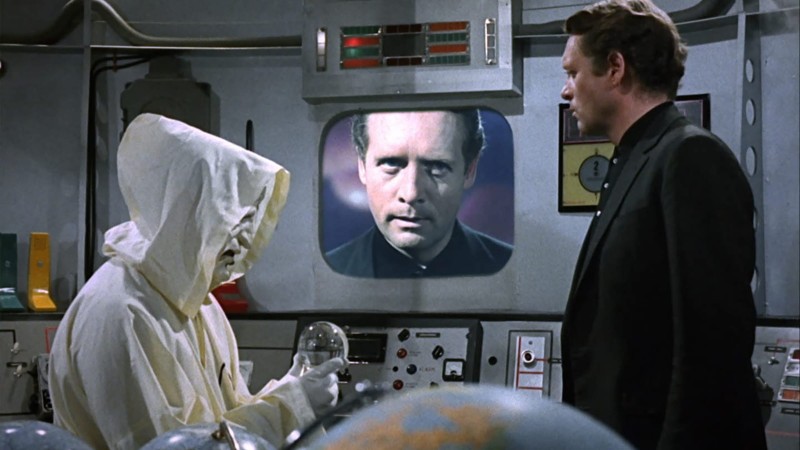
Once Upon a Time: Patrick McGoohan’s The Prisoner
One of the most passionately analyzed shows in television history is a mind-bending investigation of free will and modern surveillance culture, told with an audacious blend of symbolism, philosophy, and avant-garde surrealism.
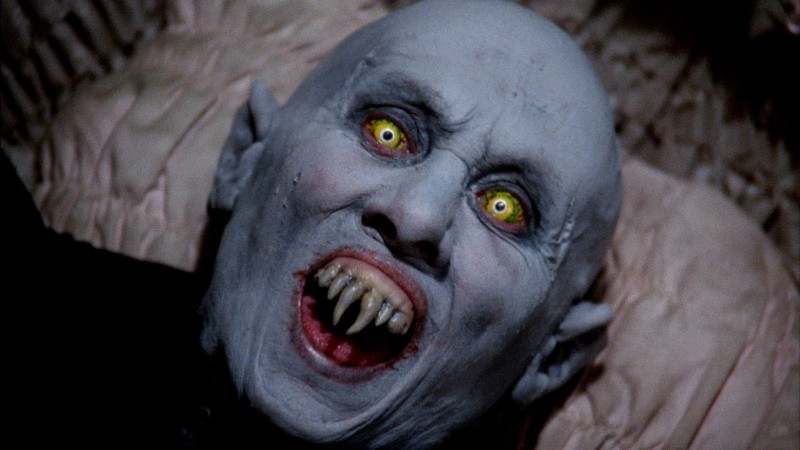
Terror on the Airwaves
In the 1970s, up-and-coming mavericks like Steven Spielberg and John Carpenter honed their craft by bringing a taste of the grindhouse to the small screen.
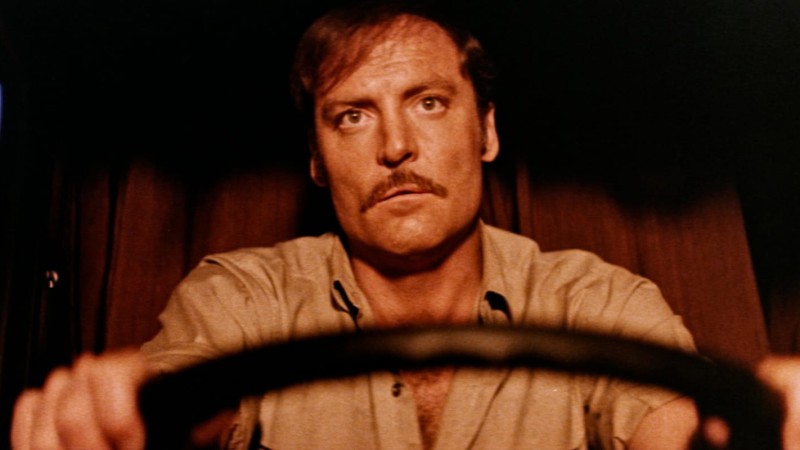
Death Is a Highway
Classics of highway horror, like Road Games, The Appointment, and Race with the Devil, present the open road as a dangerous landscape and automobiles as single-minded killing machines.