The Burmese Harp
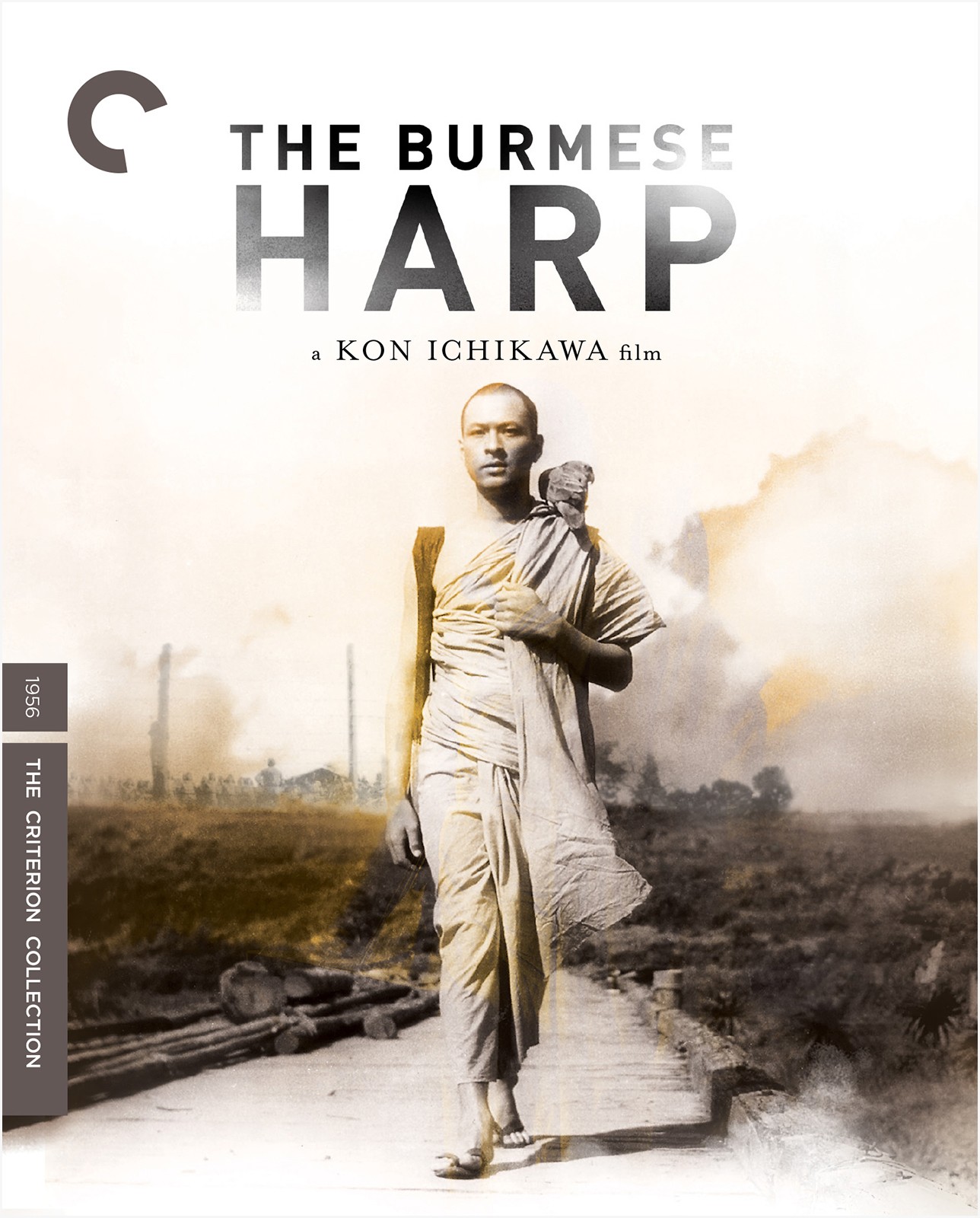
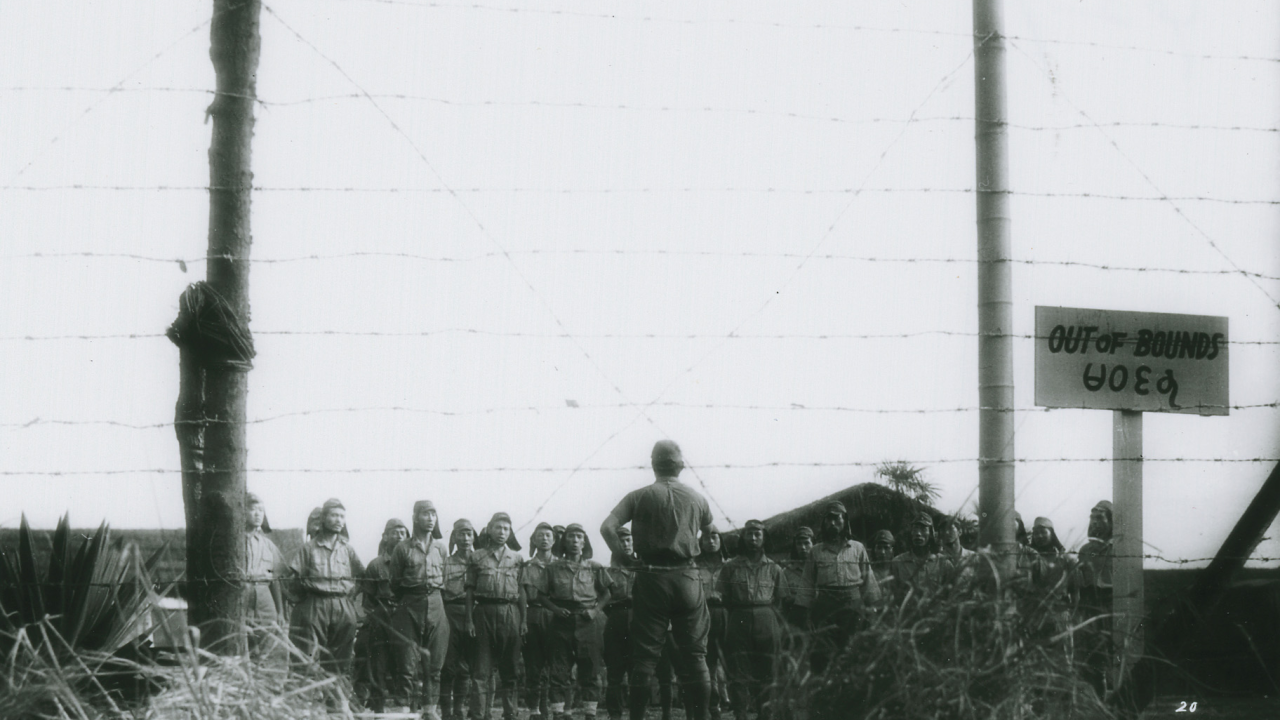
An Imperial Japanese Army regiment surrenders to British forces in Burma at the close of World War II and finds harmony through song. A private, thought to be dead, disguises himself as a Buddhist monk and stumbles upon spiritual enlightenment. Magnificently shot in hushed black and white, Kon Ichikawa’s The Burmese Harp is an eloquent meditation on beauty coexisting with death and remains one of Japanese cinema’s most overwhelming antiwar sentiments, both tender and brutal in its grappling with Japan’s wartime legacy.
4K UHD + BLU-RAY SPECIAL EDITION FEATURES
- New 4K digital restoration, with uncompressed monaural soundtrack
- One 4K UHD disc of the film and one Blu-ray with the film and special features
- Interviews with director Kon Ichikawa and actor Rentaro Mikuni
- Trailer
- New English subtitle translation
- PLUS: An essay by critic and historian Tony Rayns
Cover by Michael Boland
4K UHD + BLU-RAY SPECIAL EDITION FEATURES
- New 4K digital restoration, with uncompressed monaural soundtrack
- One 4K UHD disc of the film and one Blu-ray with the film and special features
- Interviews with director Kon Ichikawa and actor Rentaro Mikuni
- Trailer
- New English subtitle translation
- PLUS: An essay by critic and historian Tony Rayns
Cover by Michael Boland
Cast
- Rentaro Mikuni
- Captain Inouye
- Shoji Yasui
- Private Mizushima
- Tanie Kitabayashi
- Old woman
- Tatsuya Mihashi
- Defense commander
- Yunosuke Ito
- Village head
Credits
- Director
- Kon Ichikawa
- Producer
- Masayuki Takagi
- Original story by
- Michio Takeyama
- Screenplay by
- Natto Wada
- Cinematographer
- Minoru Yokoyama
- Lighting
- Ko Fujibayashi
- Sound recording
- Masakazu Kamiya
- Music
- Akira Ifukube
- Editing
- Masanori Tsuji


1/6
Trailer for The Burmese Harp

2/6

3/6

4/6

5/6

6/6