The Red Balloon and White Mane
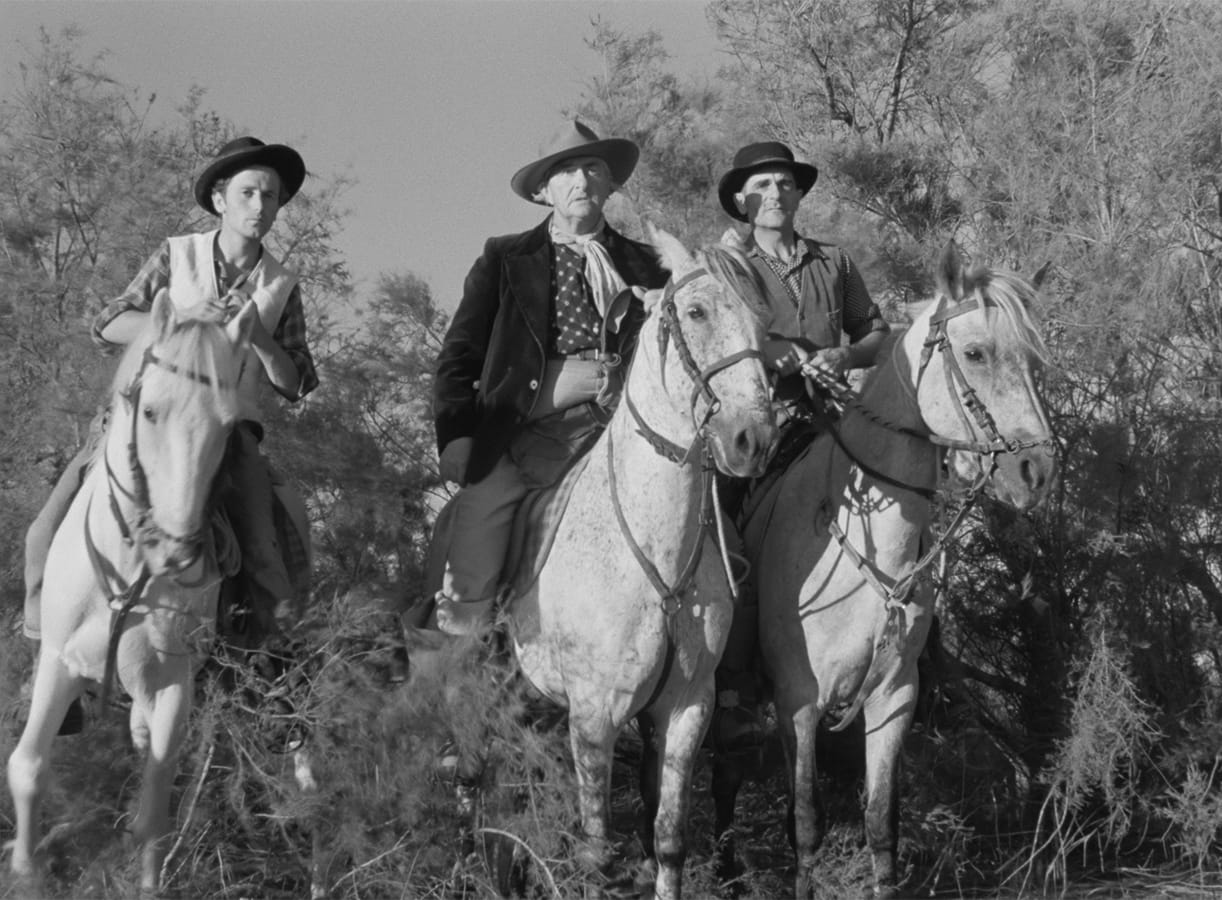
The Red Balloon and White Mane have been acclaimed throughout the world as two of the finest films ever made for—and about—children. The stories French filmmaker Albert Lamorisse tells in these sharply crafted featurettes are quite simple, yet so skillful and subtle are the techniques he utilizes that these tales of a magical balloon and a wild white stallion cut straight to the heart of a child’s view of the world. Though shot on actual locations, both films are fantasies—children’s daydreams and “make believe” play activities made real before the camera’s eye. It’s a world every child will recognize instinctively—and every adult will remember with pleasure.
The Red Balloon (1952) tells of a small boy (played by Lamorisse’s 5-and-a-half-year-old son Pascal) who lives in Menilmontant district of Paris. One day on his way to school he discovers a bright red balloon caught on a lamp post. Adopting it as his favorite toy, the boy soon discovers that the balloon has magical powers—and a mind of its own. Without holding on to it, the balloon follows him down the street like a faithful dog. It waits for him in the courtyard while the boy is at school, and plays hide-and-seek with him afterwards in the streets and alleyways. Sadly the balloon’s abilities prove to be disruptive. The boy’s classmates create an uproar when the balloon flies into the schoolroom, and a gang of youths in the neighborhood try to kidnap the balloon for themselves. Their pursuit of the boy and his balloon leads to a spectacular climax in which balloons from all over Paris come to our hero’s aid.
Beautifully photographed by Edmond Sechan and highlighted by a lovely score by Maurice Le Roux, The Red Balloon is a unique mixture of documentary realism and theatrical illusion. All manner of tricks are used to make an otherwise ordinary balloon appear to have a life of its own. What gives these tricks their zest is the fact that they’re performed outdoors. The streets of Paris become an enchanted fantasyland.
The Red Balloon won an Academy Award for Best Original Screenplay, the Grand Prize at the Cannes Film Festival, and the Educational Film Library Association’s Award for “Best Film of the Decade.” It was recently the recipient of the 1984 Parent’s Choice Award.


More: Essays
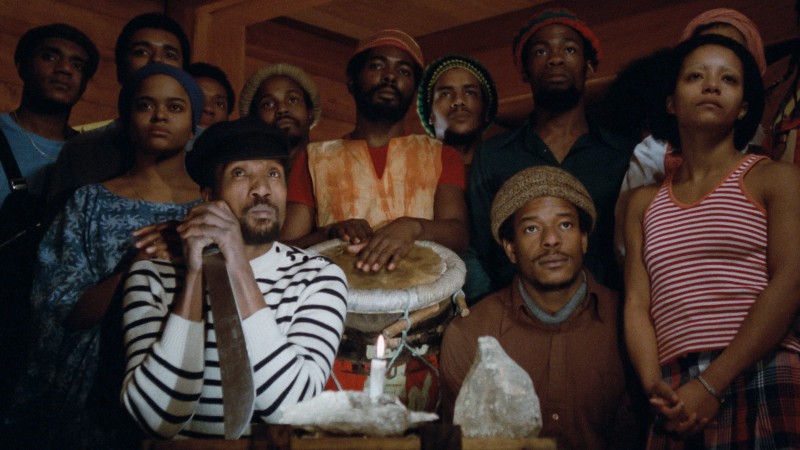
West Indies: The Fugitive Slaves of Liberty: Torrents of Fire, Torrents of Blood
Unfolding in a blaze of vivacious color, Med Hondo’s musical masterpiece is a wildly ambitious exploration of the history of French colonial aggression, the enslavement of African peoples, and their subsequent liberation struggles.

Sentimental Value: Between Trauma and the Sublime
In this powerful drama about family and memory, Joachim Trier explores how the past lives on in us, shapes us, and partly determines who we are and how we feel.
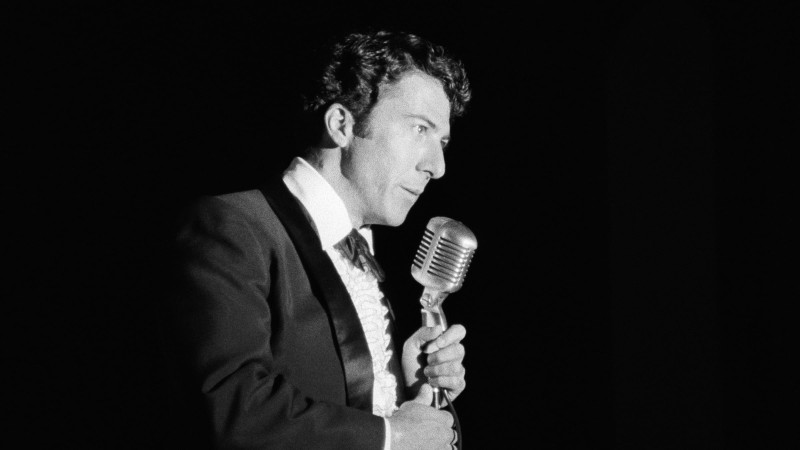
Lenny: High-Wire Act
Featuring a quasi-documentary format that was innovative for its time, Bob Fosse’s complex portrait of stand-up comedian Lenny Bruce is a gesture of postmortem outreach from one prickly, jagged-edged artist to another.
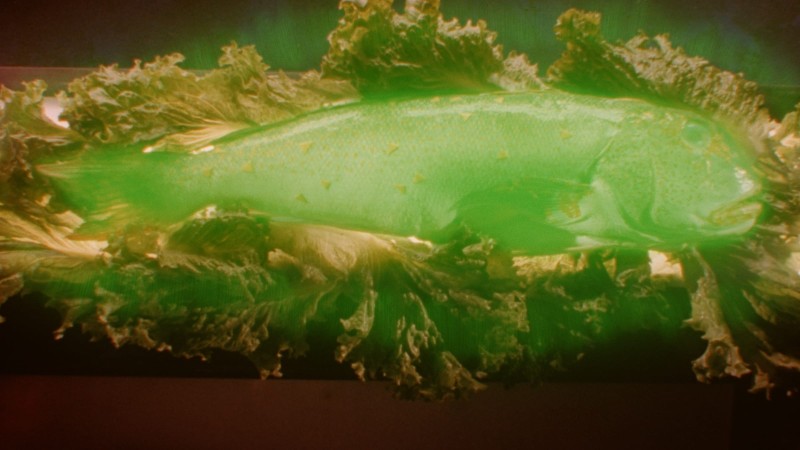
Fresh Kill: Fluid Transmission
New-media pioneer Shu Lea Cheang’s astonishingly prescient dystopian vision takes place in a world where technology feels sticky and bodily, and where networks seep into food, water, and flesh.